STRETCHING EVERY LITRE ON THE WATER: MAKING EVERY DROP COUNT
With global uncertainty, ongoing conflict overseas and fuel prices continuing to fluctuate, many Kiwi boaties are feeling the pressure every time they pull up to the fuel dock. While the cost of getting out on the water has risen sharply in recent times, that doesn’t mean boating adventures need to come to a halt.
More than ever, boaties are looking for smarter ways to enjoy their time on the water while keeping fuel bills under control. The good news is that a few practical adjustments, from the way your boat is set up to how you drive it, can make a noticeable difference to fuel consumption without sacrificing enjoyment.
Whether you’re planning a long offshore run, a weekend cruise or a quick fishing trip, understanding how to maximise efficiency can help stretch every litre further. Modern engines and technology already offer impressive fuel economy, but there are still plenty of ways to improve performance, reduce unnecessary drag and keep your vessel running at its best.
For most modern outboards, the sweet spot for economical cruising is generally between 3000 and 4000rpm, often translating to speeds of around 20 to 35 knots depending on hull design and load. Operating within this range when travelling longer distances can significantly reduce fuel burn compared with running hard at wide-open throttle.
Here are some practical ways to reduce fuel consumption and make boating more affordable in today’s climate.
FUEL ADDITIVES
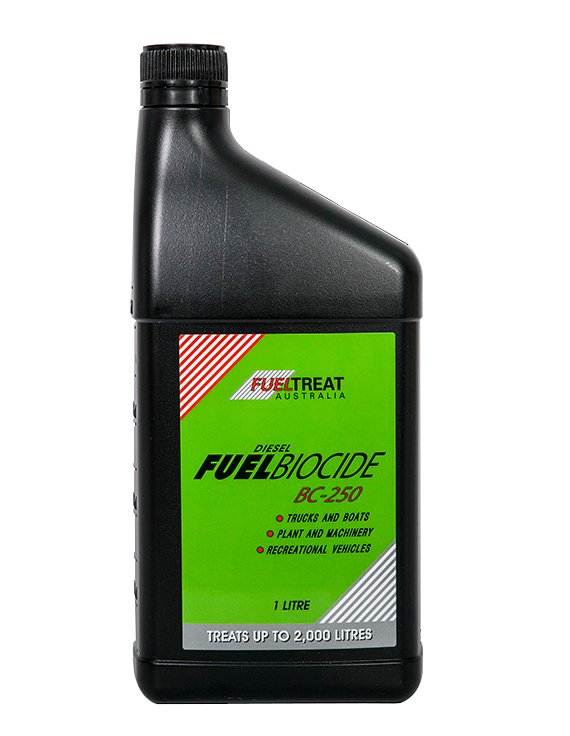
Fuel quality plays a major role in engine efficiency. Many marina fuel docks supply fuel similar to what you would purchase at a service station, but marine engines place far greater demands on fuel systems than most road vehicles. Using a quality fuel additive can help keep engines clean, improve combustion and reduce fuel consumption over time. Additives work by dissolving filter-clogging residue, stabilising fuel during storage and reducing injector wear. Carbon build-up inside an engine can reduce performance and increase fuel burn, particularly in vessels that spend long periods sitting idle between trips. Considering that some marine engines can consume many times more fuel per hour than a family vehicle, even a small efficiency gain can result in worthwhile savings across a season.
FUEL COMPUTERS
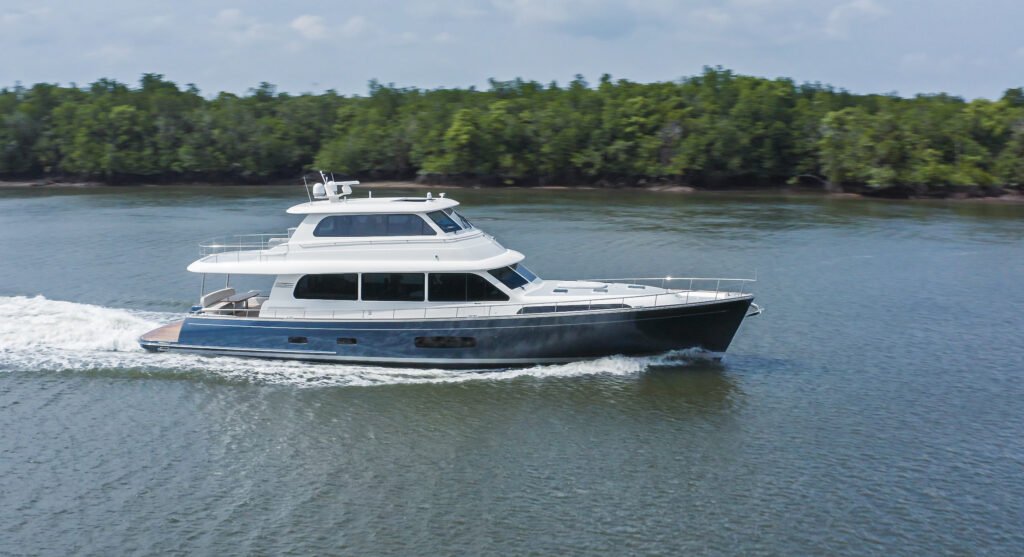
Modern fuel management systems have become one of the most valuable tools for skippers wanting to maximise range and minimise costs. Fuel computers monitor real-time fuel consumption and provide accurate readings for litres-per-hour, nautical miles per litre and total fuel used. Many systems now integrate directly with multifunction displays and chartplotters, allowing operators to instantly see how changes in trim, speed and sea conditions affect fuel burn. Knowing exactly how much fuel your boat is consuming allows you to identify the most efficient cruising speed and engine rpm for your particular setup. Many boat owners are surprised to discover they can often cruise slightly faster, or sometimes slightly slower, while actually using less fuel overall. Depending on hull design, engine configuration and driving habits, users regularly report fuel savings ranging from 5 to 20 percent after installing a fuel monitoring system.
DIESEL FUEL POLISHING
Diesel contamination remains a major issue for many boat owners, particularly for vessels that sit unused for extended periods. Water, sludge, dirt and microbial growth can all accumulate in fuel tanks over time, leading to blocked filters, poor performance and increased fuel consumption. Preventative maintenance is the best defence against these problems. Fuel polishing systems continuously circulate diesel through multi-stage filtration systems, removing contaminants and restoring fuel quality. Regular polishing helps keep stored fuel cleaner for longer and reduces the likelihood of costly breakdowns offshore. Microbial contamination — often incorrectly referred to as algae — thrives where fuel and water meet inside the tank. Warm return fuel from the engine can accelerate this growth, making regular inspection and treatment increasingly important for diesel-powered vessels.
CLEAN, SMOOTH, AND PAINT THE BOTTOM
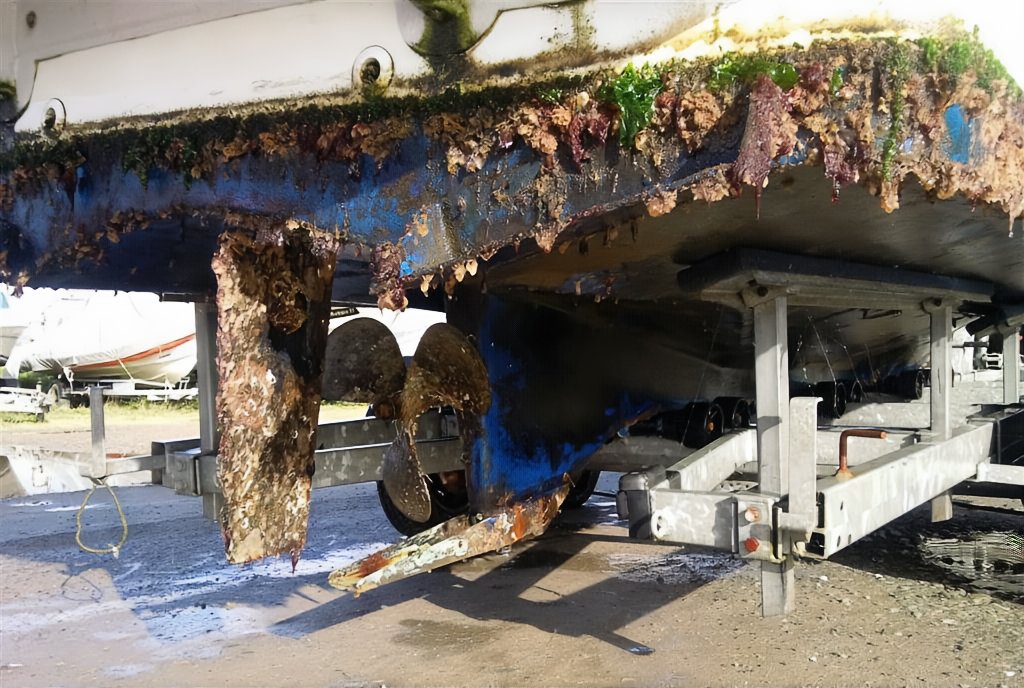
A clean hull is one of the simplest and most effective ways to improve fuel efficiency. Marine growth creates drag, forcing engines to work harder to maintain speed and dramatically increasing fuel consumption. Even light fouling can reduce performance and lower maximum rpm.
Keeping the hull smooth, properly antifouled and free of unnecessary imperfections allows the boat to move more efficiently through the water. Less drag means improved speed, lower engine load and reduced fuel burn.
CHECK YOUR ENGINE(S)
Routine maintenance remains critical to fuel economy. Dirty air filters, worn injectors, contaminated oil and neglected servicing can all increase fuel consumption and reduce engine performance. Excessive black smoke from the exhaust is often a sign that injectors may require cleaning or servicing. A properly maintained engine will always operate more efficiently and reliably than one that has been neglected.
PROPELLERS
Propeller choice has a major impact on overall fuel economy and vessel performance. Matching the correct propeller to the hull and engine setup can significantly improve efficiency, particularly at low and medium cruising speeds. In many applications, a larger diameter propeller with the correct pitch can reduce slip and improve economy.
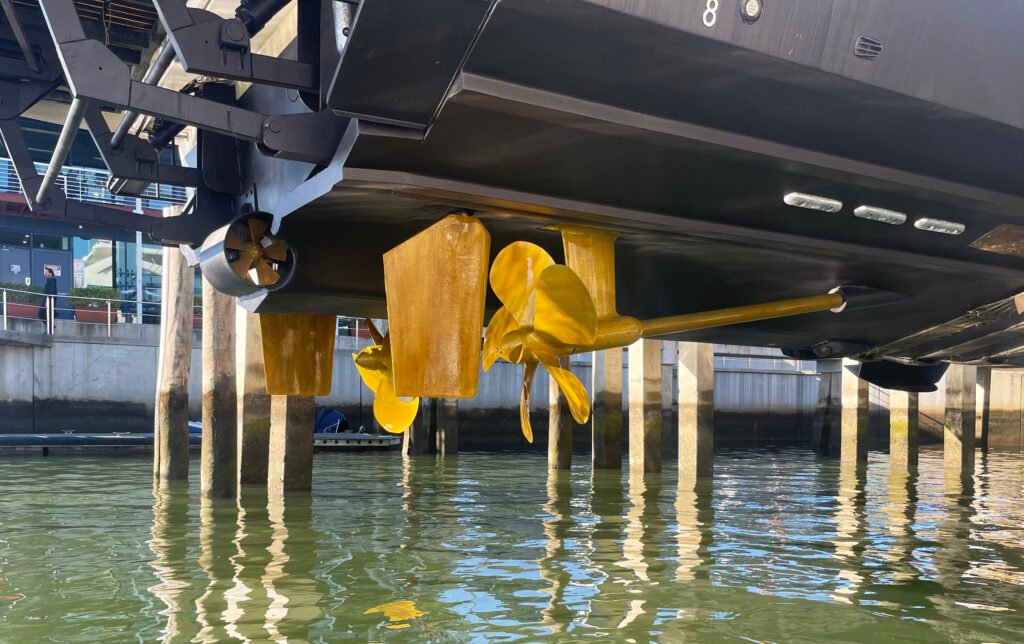
Three-blade propellers generally provide better fuel economy than four-blade designs in similar sizes, although four-blade props may perform better under heavy loads or in rough conditions. It’s equally important to keep propellers clean, balanced and free from marine growth. Products such as Propspeed help prevent fouling on running gear, reducing drag and maintaining performance over time.
Proper shaft alignment and well-maintained bearings also help reduce vibration and drivetrain losses, contributing to overall efficiency.
ENGINE MOUNTING HEIGHT
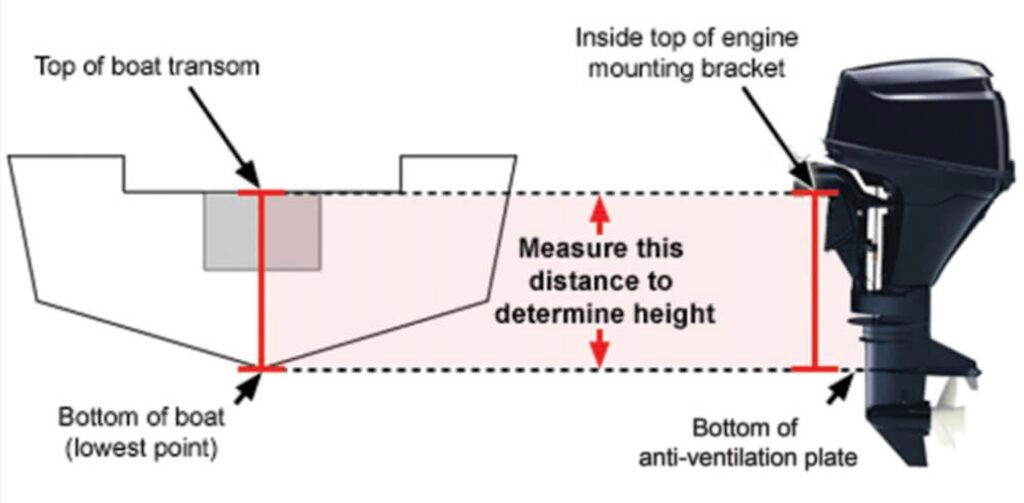
Engine mounting height can greatly influence fuel efficiency, particularly on outboard-powered boats. Generally, mounting an outboard as high as possible without compromising low-speed handling reduces lower-unit drag and improves economy. Fewer gearcases in the water means less resistance. Hydraulic jack plates can further improve efficiency by allowing skippers to adjust engine height for varying loads and sea conditions. With the correct propeller setup, proper engine height can yield substantial fuel savings.
PROPER ENGINE TRIM
Correct trim is essential for achieving the most efficient running attitude. An efficiently trimmed boat rides with less hull in the water, reducing drag and lowering fuel consumption. Experienced skippers often judge trim by observing spray patterns, wake shape and engine sound, while less experienced operators can experiment using fuel flow data and speed readings. In many situations, trimming the engine slightly out raises the bow enough to reduce wetted surface while still maintaining propeller grip. However, excessive trim can cause ventilation and loss of efficiency. Small trim adjustments can often make a surprisingly large difference to fuel burn over a long trip.
BALANCING WEIGHT
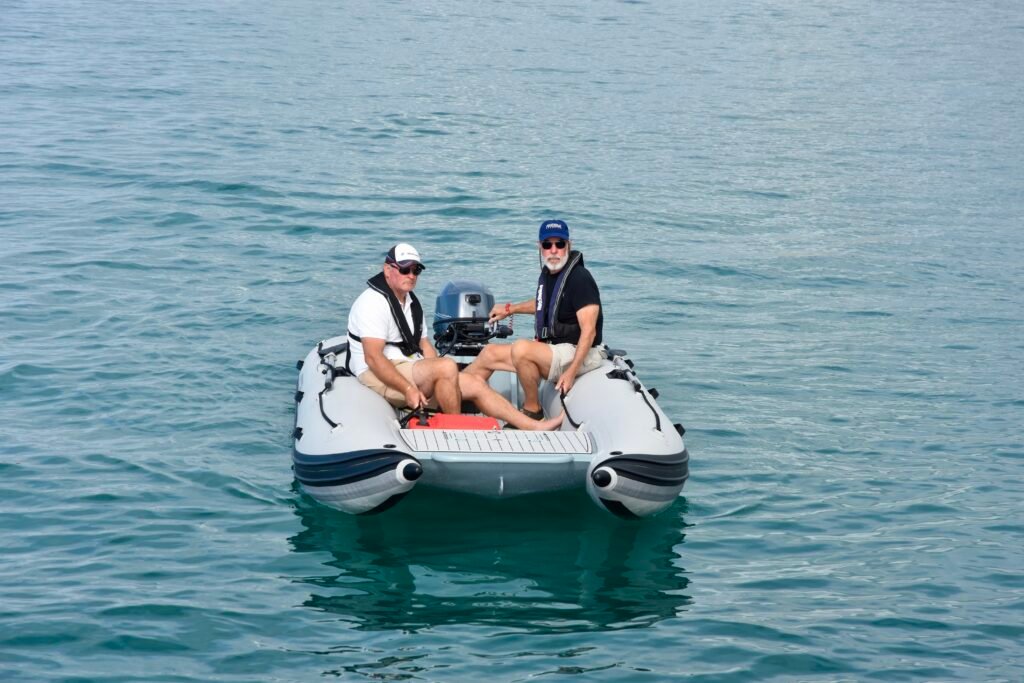
Excess weight and poor load distribution can dramatically affect fuel efficiency. The heavier the boat, the harder the engines need to work. Carrying unnecessary gear, excess fuel or unused equipment increases drag and fuel burn. Equally important is where weight is positioned onboard. Poorly balanced loads can negatively affect ride attitude, increase hull resistance and reduce performance, particularly in rough conditions. Heavy items should generally be stored low and close to the vessel’s centre of gravity, while keeping the bow as light as practical.
DRIVING STYLE
Smooth and consistent driving habits can deliver noticeable fuel savings. Rapid acceleration, aggressive throttle changes and constant speed adjustments all increase fuel consumption. Maintaining a steady cruising speed and planning routes carefully helps reduce unnecessary fuel burn. Weather also plays a major role. Running into strong head seas or heavy winds increases resistance and can dramatically raise fuel use. Choosing favourable weather windows and sensible cruising speeds will always improve efficiency.
GO SLOWER
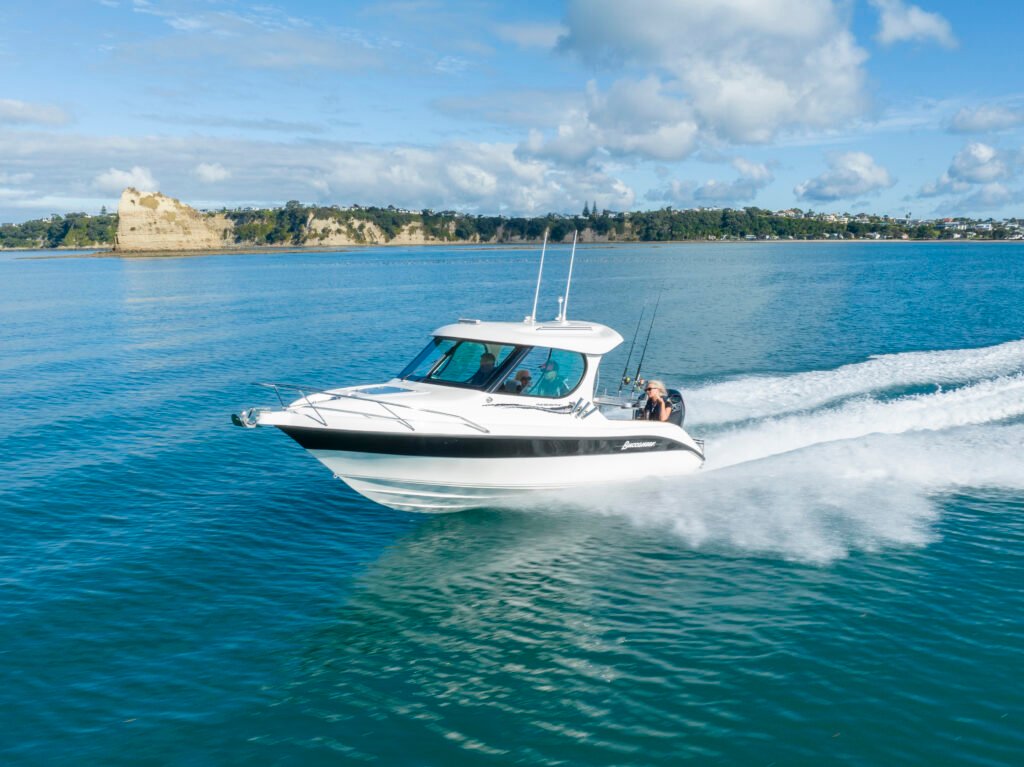
One of the easiest ways to conserve fuel is simply to slow down. Many skippers naturally focus on top-end speed, but the most economical cruising speed is usually well below maximum throttle. For most boats, the best balance of speed and efficiency occurs somewhere between 3500 and 4500rpm. Even greater savings can often be achieved by operating at displacement speeds rather than remaining on the plane all day. Slowing down slightly may add a little time to the journey, but it can significantly reduce fuel costs while making the trip more relaxed and enjoyable.
CONCLUSION
As fuel prices continue to challenge boat owners worldwide, getting the most from every litre has never been more important. The good news is that fuel efficiency is influenced by many small factors, and improving even a few of them can lead to worthwhile savings over the course of a boating season. Understanding your boat, maintaining it properly and operating it efficiently can help reduce costs without reducing time on the water. In today’s climate, smarter boating isn’t just good for the wallet, it’s becoming an essential part of modern boating.