
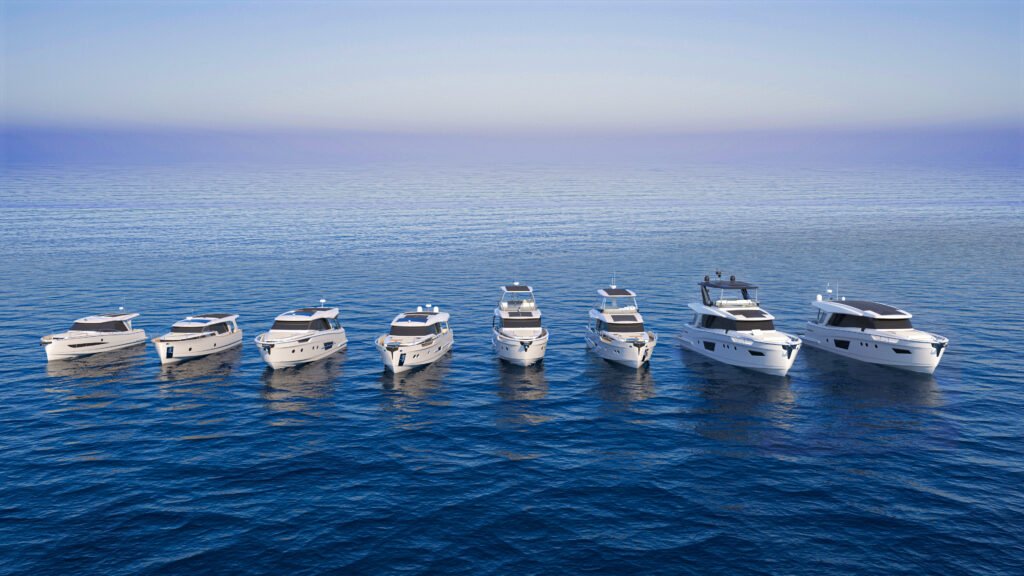
Is The Fuel Crisis Changing Boating, Faster Than You Think?
There’s a quiet shift happening in Australia. The kind that builds over seasons, conversations, and, lately, fuel receipts. With global instability continuing to push fuel prices into uncomfortable territory, boating, long associated with freedom, is being forced into a new conversation. Efficiency matters more. Range matters more. And increasingly, how we power our time on the water matters most of all.
For years, electric boats were easy to dismiss. Slow, limited, better suited to inland lakes than open water. But that perception is starting to feel outdated. What’s emerging now is something far more compelling.
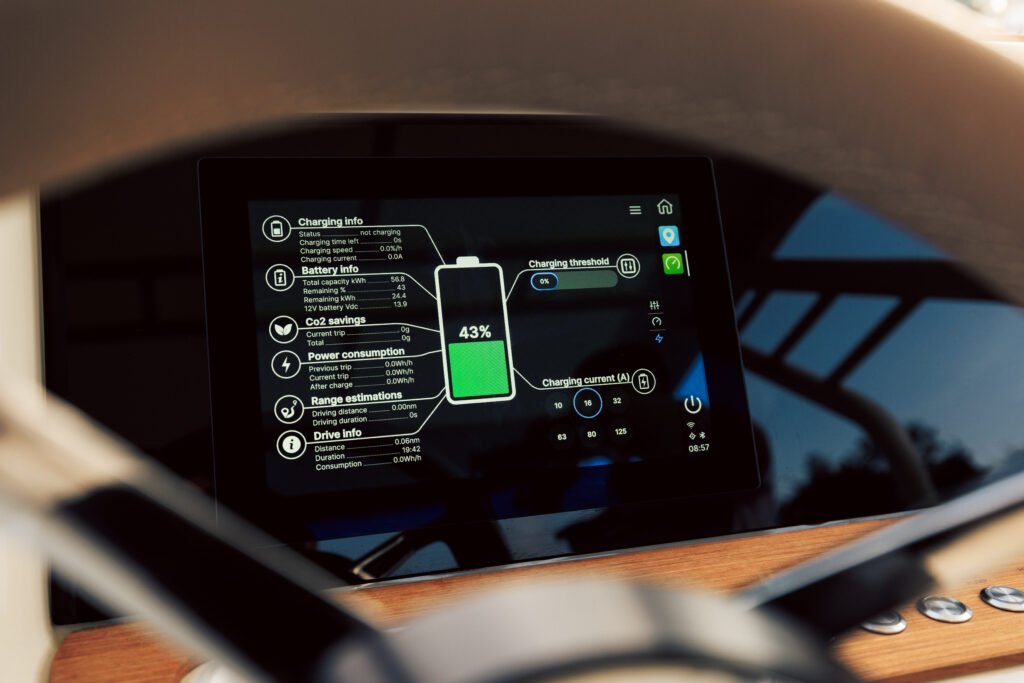
A new kind of electric
The most interesting development isn’t just that electric boats exist, it’s that they’re beginning to feel like real boats.
Take the Axopar approach. Known globally for performance-driven adventure boats, they’ve introduced a fully electric line under the AX/E sub-brand.
These are still Axopars.
Same hull. Same driving feel. Same capability offshore.
The difference is what’s happening beneath you.
Partnering with high-performance electric propulsion specialists, the AX/E range delivers something most people don’t expect from electric; instant torque, real top-end speed, and a driving experience that feels closer to a performance car than a compromise.
It works because of the hull.
Axopar has spent years refining one of the most efficient hull designs on the market. That efficiency isn’t just about fuel savings, it’s what makes electric viable in the first place. Less drag, better balance, more distance from every unit of energy, whether that’s fuel or battery.
The result is an electric boat that doesn’t ask you to change how you boat. It just changes how it’s powered.
And for harbour use, day trips, and the kind of boating most Aussie owners actually do, it already starting to make sense. By the time it gets here the market will be ready.
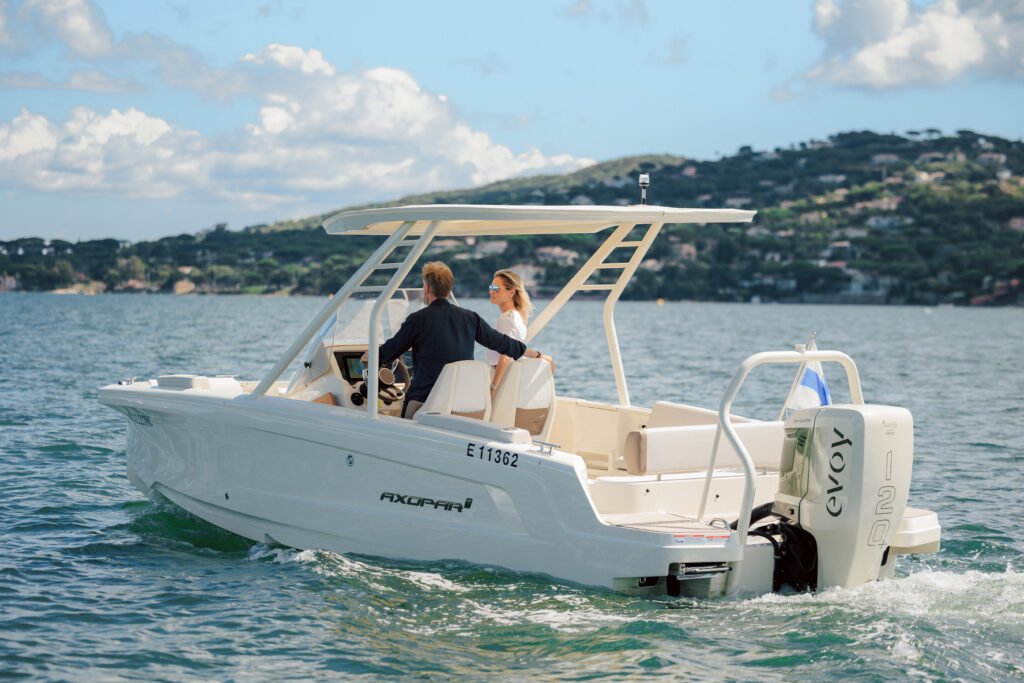
Rethinking efficiency before electrification
For many boaters, the shift isn’t straight to electric, it’s more immediate than that. With fuel prices still front of mind, there’s a growing focus on something less talked about but just as important, hull efficiency.
Brands like Axopar have built their reputation on designing boats that require significantly less energy to move through the water in the first place. Their twin-stepped hulls are engineered to reduce drag, improve balance, and maximise lift, meaning the boat isn’t pushing unnecessary weight or resistance as it travels. In real terms, that translates to around 20 to 30 percent lower fuel consumption compared to other boats of a similar size.
It’s a shift in thinking. Rather than relying on bigger engines to compensate for inefficient design, the focus is on doing more with less. And in a climate where every litre counts, that kind of efficiency is becoming just as valuable as the move to electric itself.
The rise of hybrid as the bridge
If electric is the future, hybrid is what makes it usable right now.
And no one has been doing it better or for longer than Greenline Yachts.
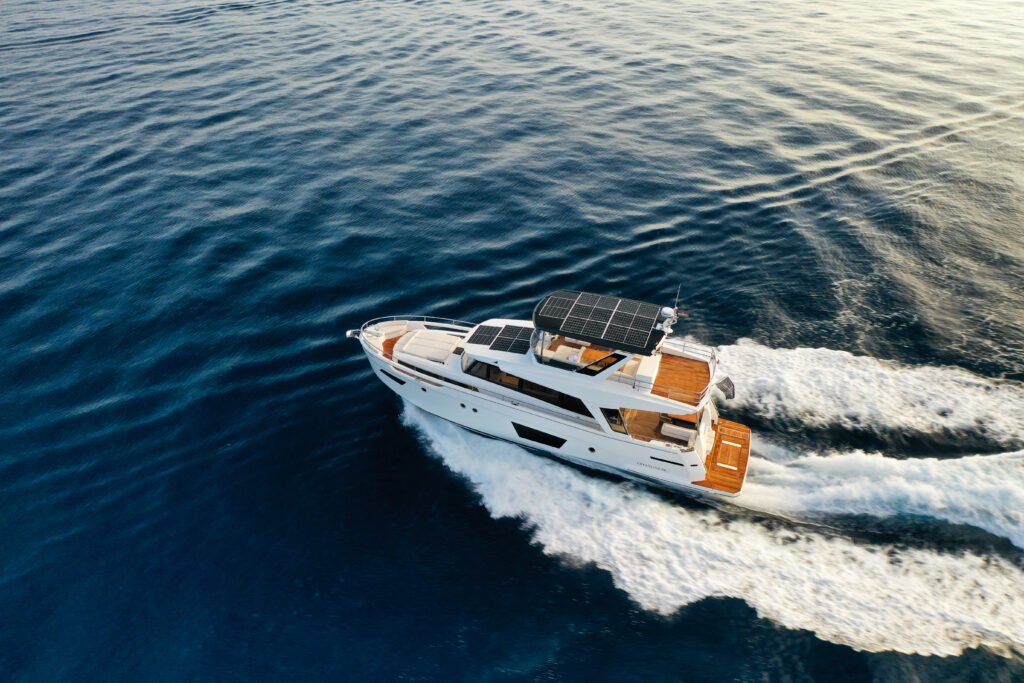
Well before sustainability became a recognised need, Greenline was building boats around the idea that you shouldn’t have to choose between comfort, range, and responsibility. Since 2008, they’ve been refining hybrid systems, now into their sixth generation, quietly solving problems others are only just starting to address.
The concept is simple, but effective.
Cruise silently on electric when it suits, then switch to diesel for longer distances or higher speeds. A large lithium polymer battery bank is continuously recharged via integrated solar, the engine underway, or shore power at the dock, giving you multiple ways to stay powered and self-sufficient on the water.
You can leave a marina early in the morning without waking anyone. Cruise efficiently for hours. Anchor off a quiet bay and run everything onboard without a generator humming in the background.
And when it’s time to head further afield, nothing changes.
A shift that feels inevitable
What’s happening now isn’t a sudden disruption. It’s an evolution, one that’s been building for years, now accelerated by global pressure and changing expectations around our sustainability responsibilities.
The question is no longer if this change is coming. It’s how quickly each boater decides to be part of it.
At the centre of this shift is Eyachts, a company that has quietly been pushing toward more efficient, forward-thinking boating since it’s inception in 2006. From introducing some of the earliest electric dayboats to Australia, to backing high-performance electric with Axopar and long-proven hybrid solutions with Greenline, their approach has never been about trends, but about what actually works on the water.
For those looking to rethink how they boat let’s start that conversation.
Contact: boats@eyachts.com.au or visit their website eyachts.com.au to learn more.