SEEING CLEARLY AGAIN
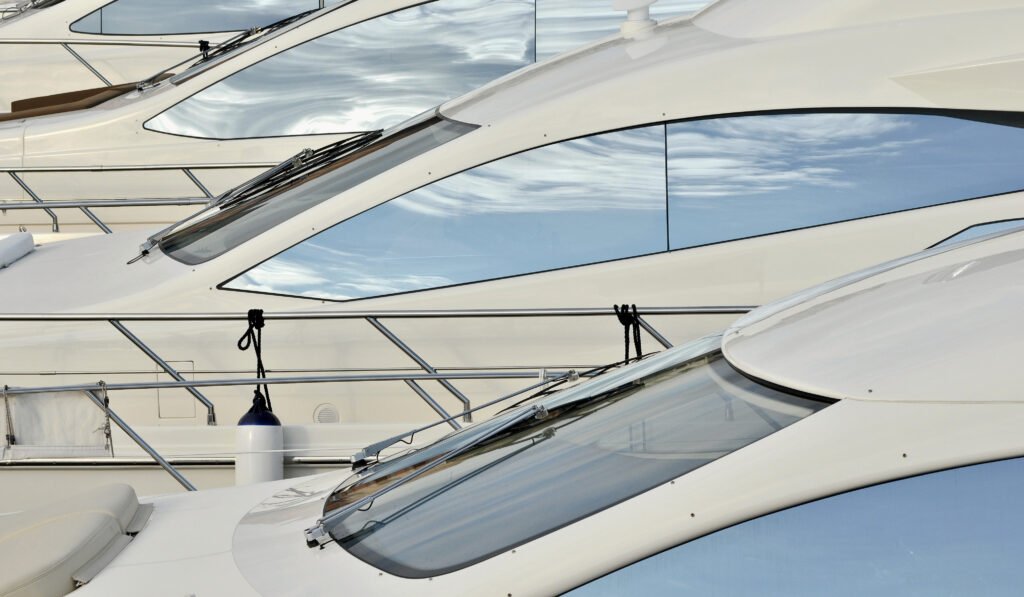
There’s something about tired glass that quietly dates a boat. You can have a strong hull, reliable engines and tidy upholstery, but if the windscreen is milky, the side windows are scratched, and the foredeck hatch has turned a purple or yellowed shade of yesterday, the whole vessel feels older than it really is.
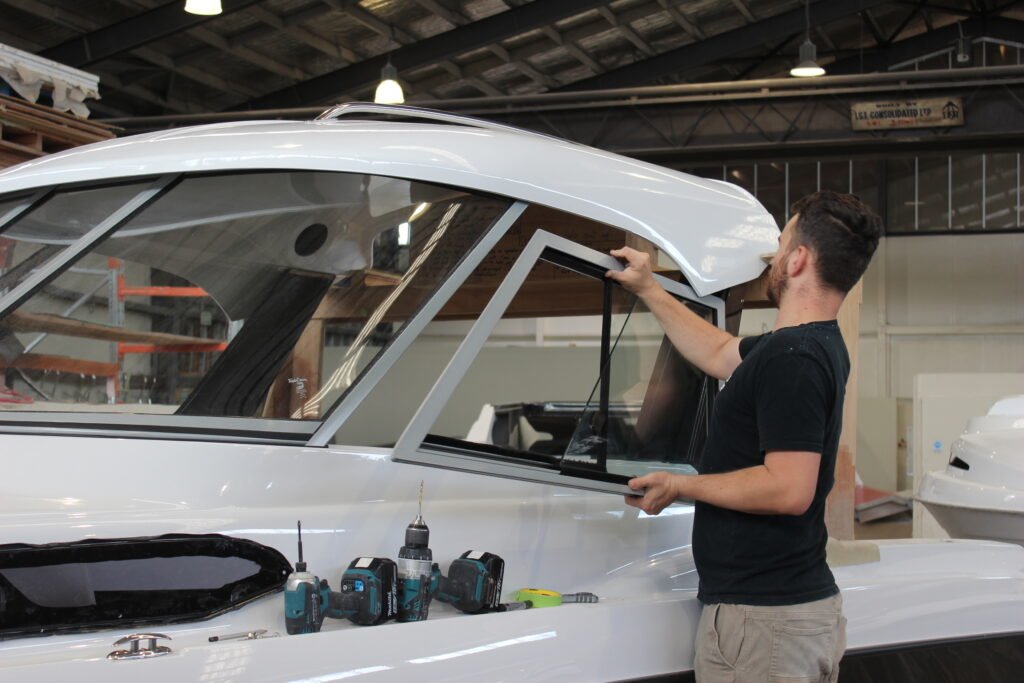
In marinas around New Zealand, I see it all the time: proven Kiwi-built launches and trailer boats with great pedigree and plenty of life left in them, yet their see-through components tell a different story. In this instalment of our From Worn to Wow series for Pacific PowerBoat, we’re looking at one of the most visually transformative and safety-enhancing upgrades you can make: replacing windscreens, windows, hatches and other glazing components. Because when you restore clarity, you restore confidence.
The Slow Fade of Marine Glass
Marine glazing lives a hard life. UV exposure, salt spray, vibration, flexing hulls and temperature swings all conspire against it. Over time, these symptoms can appear:
- – Fine crazing in acrylic
- – Haze and UV clouding
- – Deep cleaning scratches
- – Delamination in laminated glass
- – Corroded aluminium frames
- – Leaking seals and damp liners
The change is gradual; owners often don’t realise how compromised visibility has become (along with their failing eyesight) until they step aboard a boat with fresh glazing and instantly notice the difference. It’s a bit like upgrading from an old pair of sunglasses to a brand-new set; suddenly, everything is sharper.
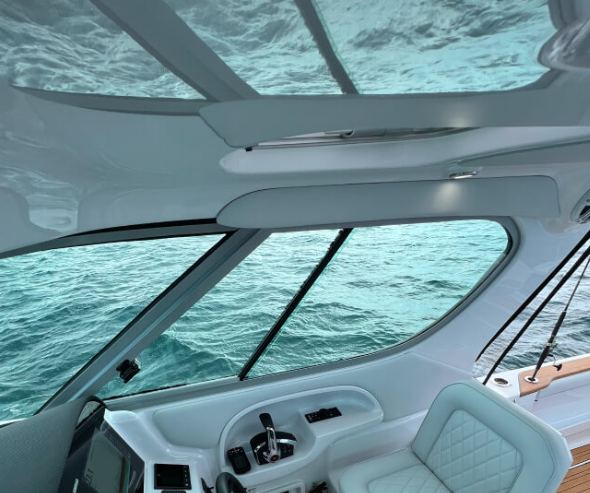
Safety Starts With What You Can See
Clear vision is fundamental to safe boating in New Zealand conditions. Low winter sun in the Hauraki Gulf, glare off whitecaps off Taranaki, sudden squalls in the Marlborough Sounds, all demand excellent forward visibility. A hazed windscreen increases glare and eye fatigue. Night navigation becomes more stressful. Small hazards, such as floating debris or pot markers, are harder to pick up. Modern replacement glazing offers significant improvements:
- – Superior optical clarity
- – UV filtering
- – Better impact resistance
- – Reduced distortion
- – Improved scratch resistance
Many older boats were fitted with materials that were perfectly adequate at the time, but don’t meet current expectations for strength and performance. Laminated safety glass, toughened glass or modern marine-grade polycarbonate systems provide greater impact protection and peace of mind. If you’ve ever taken green water over the bow, you’ll understand the value of confidence in your windscreen.
Structural Integrity: More Than Cosmetic
On many trailer boats and cabin cruisers, the windscreen isn’t just there to deflect spray, it plays a structural role. Over the years, fastenings loosen, sealants fail, and aluminium frames corrode beneath rubber gaskets. The result? Flexing, rattling, leaking, and sometimes stress cracking in the surrounding fibreglass. A professional replacement often involves:
- – Removing old frames and assessing mounting areas
- – Repairing any moisture damage
- – Upgrading to marine-grade stainless fastenings
- – Re-bedding with modern sealants
The outcome is a tighter, quieter boat underway. Reduced flex means less stress on the surrounding structure and fewer long-term headaches; it’s one of those upgrades you feel as much as you see. Leaking windows are more than an annoyance. They stain headliners, damage electronics, rot timber trims and create that unmistakable damp smell no owner wants to admit to. Replacing old glazing systems delivers immediate benefits:
- – Improved watertight integrity
- – Better insulation from wind and spray
- – Reduced noise underway
- – Greater cabin comfort in poor weather
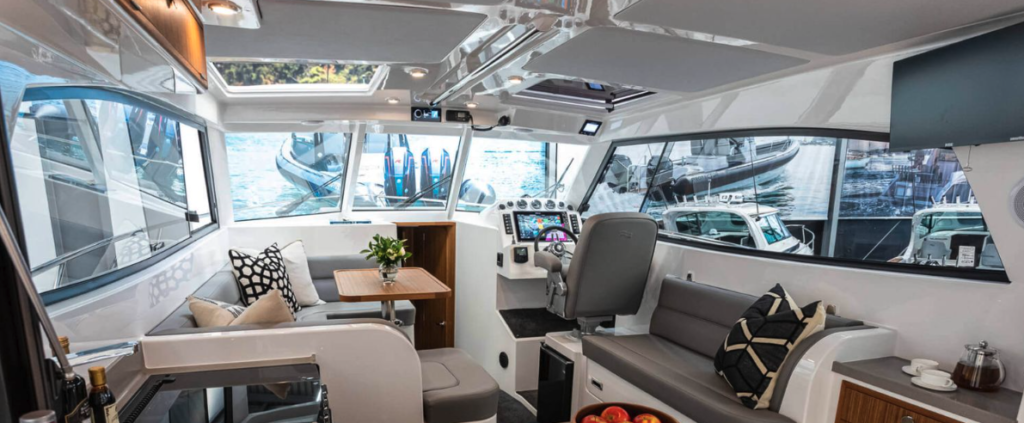
The visual lift offering instant modernisation
This is where the “wow” factor really comes into play. Clear, sharp windscreens and crisp side windows instantly refresh a boat’s profile. Lines appear cleaner, the helm looks more contemporary and interiors feel brighter and more spacious. Owners often take the opportunity to modernise during replacement:
- – Switching from heavy-framed systems to sleeker profiles
- – Powder-coating frames for a contemporary look
- – Updating tint levels for a sharper aesthetic
- – Enlarging windows to increase natural light
On some 1990s launches, replacing tired aluminium-framed windows can visually remove 10 to 15 years from the boat’s apparent age; it’s a high-impact change and one that prospective buyers notice immediately.
Don’t Forget the Hatches
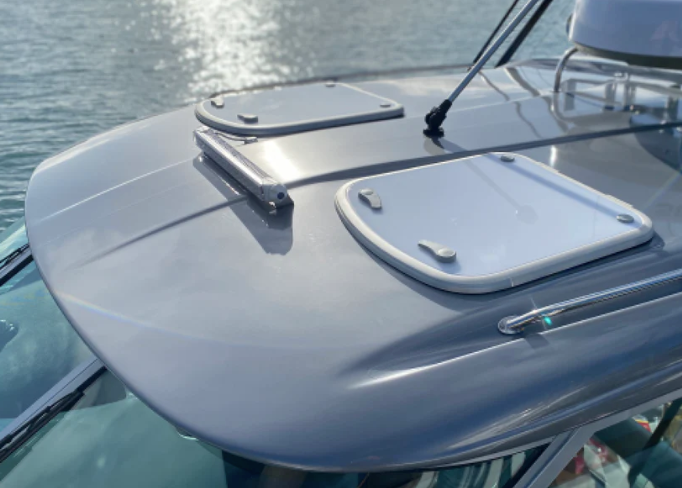
Foredeck and cabin-top hatches are frequently overlooked in refits, yet they endure the same UV punishment as windscreens. Aged and discoloured acrylic lids, brittle hinges and flattened seals are common on boats over 15 years old, replacing them delivers:
- – Increased natural light below
- – Improved ventilation
- – Better watertight integrity
- – Enhanced emergency escape capability
Modern flush-mounted hatch systems create a cleaner deck aesthetic and reduce trip hazards, while below decks, the difference in brightness can be remarkable. Sometimes it’s not until you remove an old hatch and install a new one that you realise just how much light you were missing.
Sliding Windows and Side Panels
Sliding windows are notorious maintenance points. Salt builds up in tracks, drains clog, and corrosion sets in unseen. A replacement allows owners to upgrade:
- – Drainage systems
- – Locking mechanisms
- – Seal quality
- – Privacy tint
For trailer boats and family cruisers, functional sliding windows improve airflow at anchor, help with moisture condensation on the move, and make overnighting far more comfortable, and with modern hardware, improve security when away from the boat.
Replacement Materials Matter
Choosing the right material is critical; options include:
Acrylic remains popular for its clarity and UV stability, though it can craze over time.
Polycarbonate offers exceptional impact resistance but requires protective coatings to resist scratching.
Toughened or laminated glass provides excellent scratch resistance and optical performance, and is often preferred in larger launches.
Each boat is different. Usage, exposure and structural design all influence the best solution. Engaging a specialist marine glazing professional ensures the material choice suits the vessel and complies with current safety expectations.
Resale Value and First Impressions
When a prospective buyer steps aboard, their eyes go straight to the view forward. Clear glazing signals care and suggests maintenance has been taken seriously. It also makes the helm feel newer and more capable. Surveyors also pay attention to the glazing condition, cracks, delamination and compromised seals can raise questions in reports. While replacing windscreens and hatches isn’t a trivial expense, it’s one of the few upgrades that simultaneously improve safety, aesthetics and resale appeal.
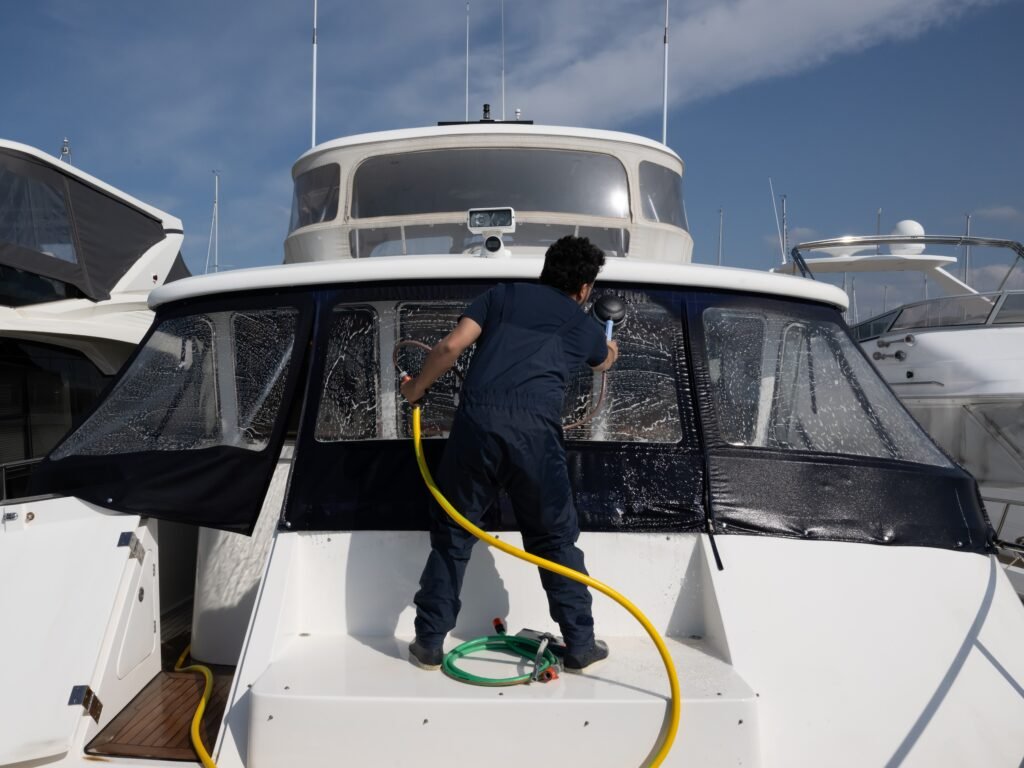
Protecting your Investment
Once replaced, maintenance is straightforward:
- – Rinse salt regularly
- – Avoid ammonia-based cleaners
- – Use soft, non-abrasive cloths
- – Inspect seals annually
- – Lubricate sliding tracks – Sliders need cleaning (just like any sliding door at home). Silicon in masses degrades the urethane over time, used to assemble the sliding windows. The end result being loose glass. There will always be a reason sliders stick – usually the channels have grit in them and just require careful cleaning.
- – Perspex Screens – mild detergent only to clean. STRICTLY no brushes as they will scratch any acrylic surface. No alcohol-based cleaners either e.g. Methylated Spirits. As tempting as it might be to remove stubborn dirt – try Brasso instead. Common household Pledge also polishes up the screens (Glass and Perspex) really well.
Simple care dramatically extends service life and preserves clarity.
There’s something deeply satisfying about stepping aboard after a glazing refit. The helm feels sharper, the boat feels tighter, and light floods the cabin. Visibility improves underway. Even a well-loved 20-year-old hull can feel reborn. We often focus on horsepower upgrades, electronics and interior refurbishments, and rightly so. But sometimes the most powerful transformation comes from what you look through every time you leave the dock. Clear glass changes how you experience your boat, and that, ultimately, is what turning worn into wow is all about.