40 YEARS OF QUIET KIWI EXCELLENCE
In an industry often dominated by bold marketing and rapid model cycles, some marine brands take a different path, one built on consistency, craftsmanship, and trust earned over decades. As Superior Boats marks 40 years in New Zealand boatbuilding, the milestone tells a story of steady evolution, technical depth, and an unwavering focus on building boats for real Kiwi boating conditions.
From repair-shop beginnings to respected production-launch builder, the Superior story is as much about people and passion as it is about fibreglass, hull design, and time on the water.
From Garage Workshop to Marine Manufacturer
The origins of Superior trace back to 1986, when South Auckland Boat Repairs was founded by Sam Dorotich. Starting from his parents’ garage in Manurewa, Sam built a reputation for high-quality fibreglass repair work and practical marine problem solving. As demand grew, the business expanded into contract laminating, mould building, and boat construction, and in 1987, moved to its rented premises at 2 Holmes Rd, Manurewa.
This hands-on repair background would later define the Superior philosophy. Boats weren’t designed purely on paper; they were built with deep knowledge of how vessels age, how they are used, and where real-world stresses occur.
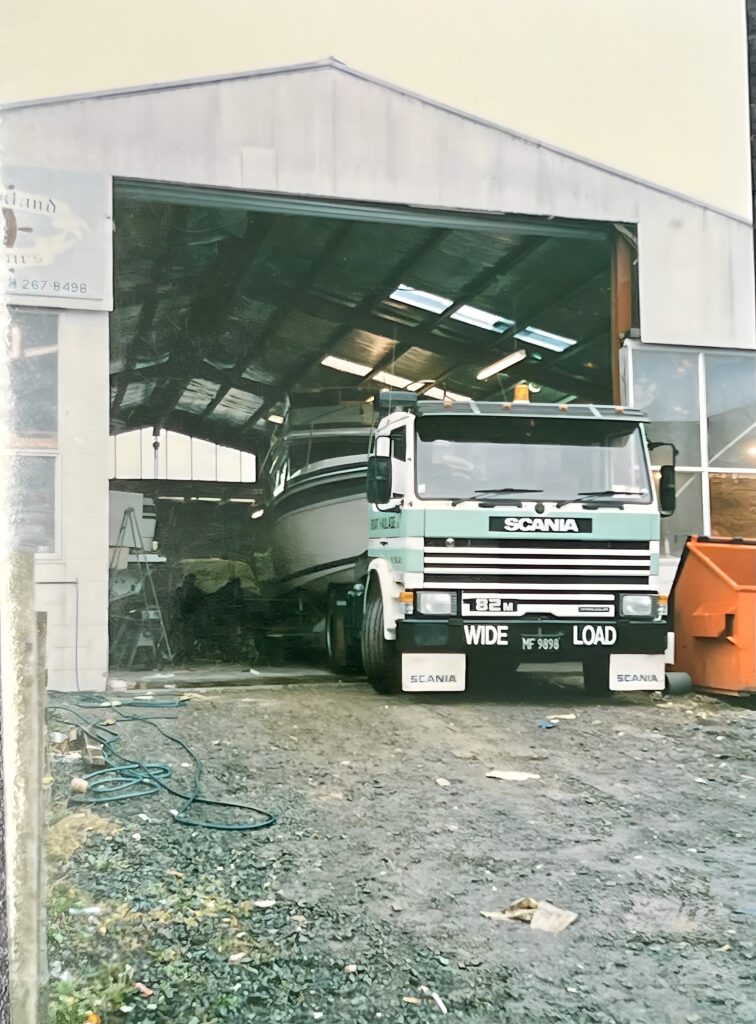
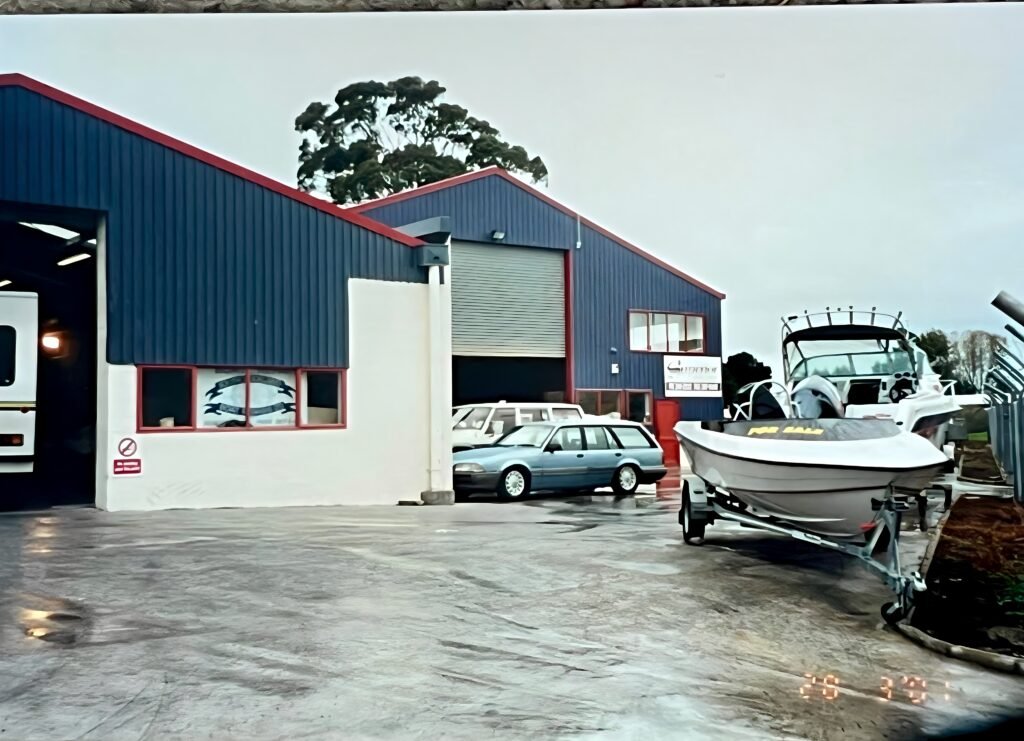
As the business matured, manufacturing naturally followed, with boats eventually produced under the Superior Boats name as part of the wider Superior Group. At this stage, in July 1991, it was decided to build their own sheds just down the road, at 25-27 Holmes Rd, with a dedicated Fibreglass shop built next door in 1995, where they still work from today.
Built on Practical New Zealand Boating DNA
Unlike many production brands built on volume, Superior grew by focusing on reliability, build quality, and long-term owner relationships. The company’s product philosophy has remained simple: build capable, seaworthy launches that suit the way New Zealanders actually use boats, coastal cruising, fishing, and extended family time on the water.
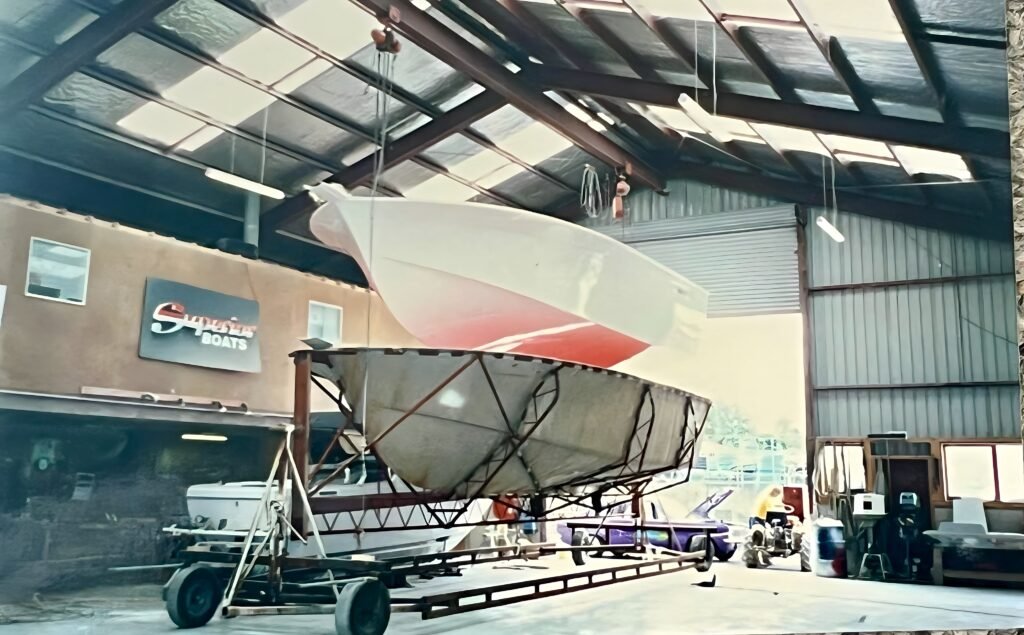
The company’s core strength lies in composite construction and fibreglass engineering, a natural extension of its repair heritage. Over time, the business diversified into composite manufacturing, contract work, and specialist fibreglass products, strengthening its technical capability beyond traditional boatbuilding.
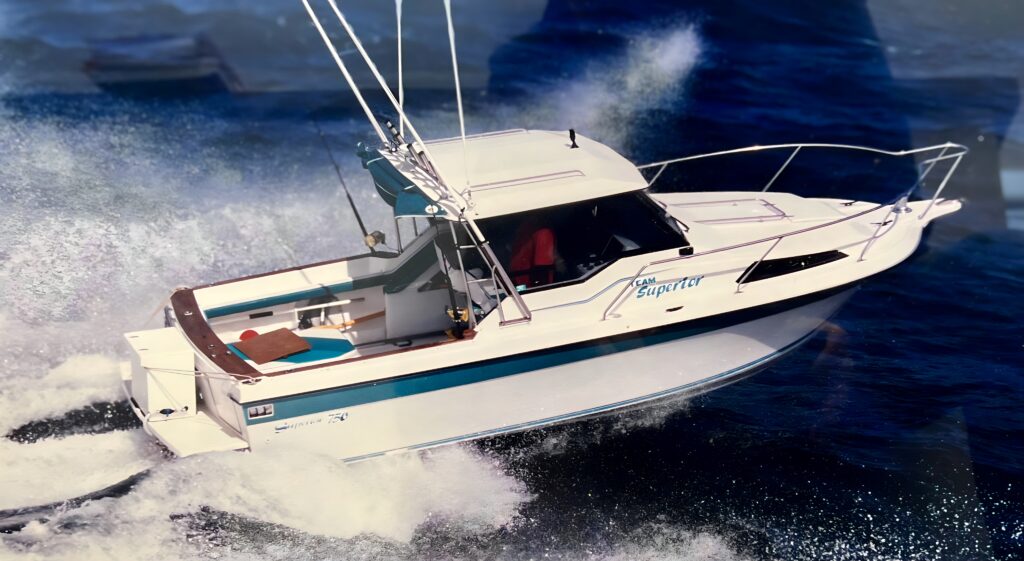
The first of the new boat builds was the Superior 750, an enhanced development on the popular Markline 700 mould. This proved to be a popular model, particularly for fishermen – I remember our team reviewing one of the first models of the Superior 750 back in 1992 for our title at the time, PowerBoat World (A merge of the old Sea Spray and Power Boat Magazines).
Another great little boat of that time was the Superior Sprinter, a ski/day boat that we reviewed on the Waikato River back in 1994.
The Backbone: The 1050 Platform
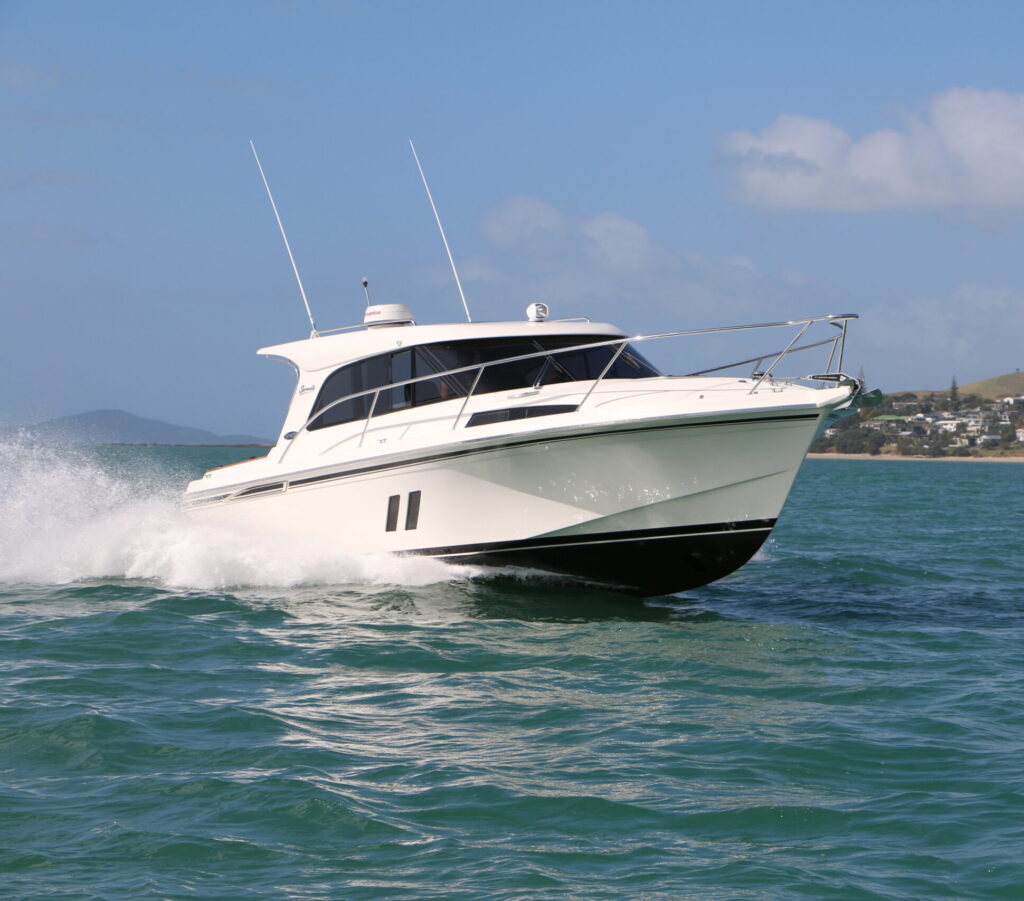
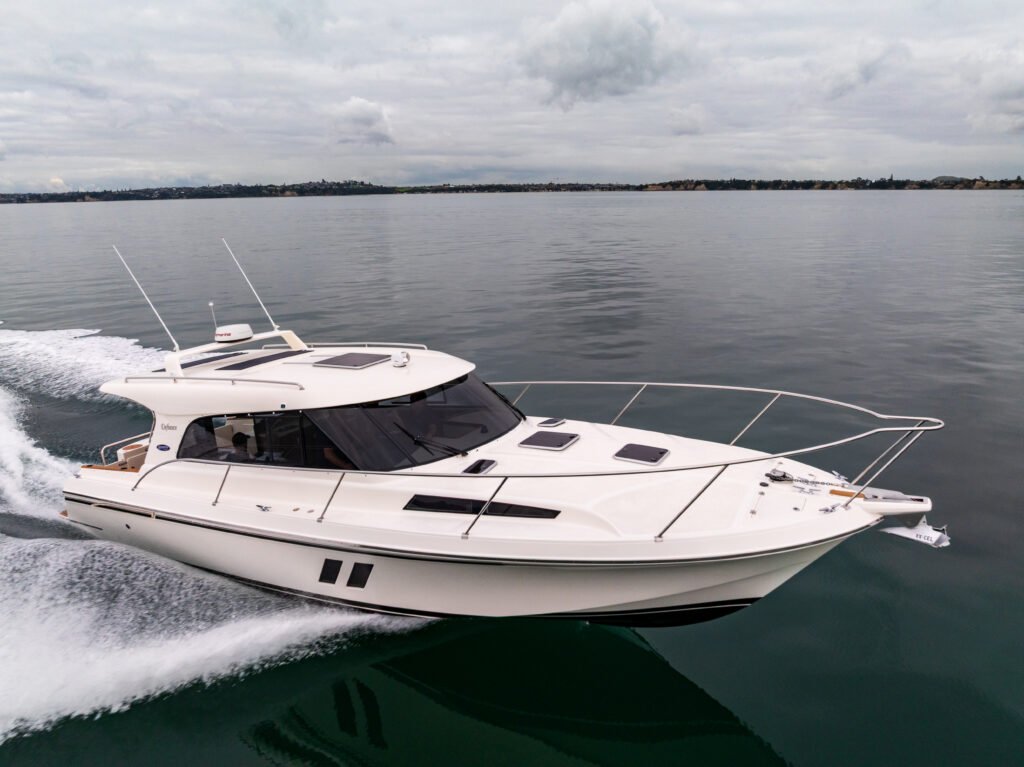
If one model defines Superior’s presence in the New Zealand market, it is the 1050 platform, a development on the very popular Formula 33. Originally launched in 1998 in flybridge form, it later developed into sedan variants; the design has become a familiar sight around New Zealand’s cruising grounds.
The 1050 Sport Sedan typically measures around 10.6 metres in length with a beam of about 3.7 metres, delivering cruising speeds of 18–22 knots and top speeds of around 28 knots, depending on the engine configuration.
The platform’s longevity speaks to its success. The 1050 Flybridge alone has been built for more than two decades, with only a small number of boats produced each year, reinforcing Superior’s semi-custom, quality-over-quantity approach.
Adapting to Changing Market Trends
Like all successful marine builders, Superior has evolved with owner expectations. As the New Zealand market shifted toward indoor-outdoor living and sedan layouts, the company adapted by refining the 1050 platform and later introducing a larger flagship model.
In more recent times, the 12-metre Superior 1200 Sport Sedan was built on the success of the 1050, offering increased beam, interior volume, and cockpit space while retaining the same construction standards and performance philosophy. (As reviewed in our July/Aug 2025 issue).
The move reflected changing boating lifestyles, more social space, more overnight comfort, and better flow between cockpit and saloon. (Built with many improvements from the moulds of the ever-successful Vindex 375).
Engineering First, Marketing Second
One of Superior’s defining characteristics has been its engineering-led approach. Engine selection, for example, has historically prioritised reliability and torque delivery over headline horsepower figures. Yanmar diesel engines have been a common choice due to strong power-to-weight ratios and proven durability in marine applications.
This mindset reflects the company’s repair-shop origins, ‘building boats that perform reliably year after year, not just when they are new’.
The Power of Being a “Quiet Achiever”
Superior has often been described within the New Zealand marine scene as a quiet achiever, a brand that grows through reputation rather than hype.
Production volumes have traditionally been modest, but that exclusivity has helped maintain resale values and foster strong owner loyalty. Boats are built with flexibility for owner customisation, allowing layouts, accommodation, and cockpit configuration to be tailored to individual needs.
In an era of high-volume global production, that semi-custom approach remains a distinctive strength.
Family, Continuity, and Culture
Like many enduring New Zealand marine businesses, Superior’s long-term success is closely tied to family involvement and consistent leadership. This continuity has helped maintain design philosophy and build quality across decades, while still allowing the business to adapt to new market trends.
It has also fostered strong customer relationships, a particular asset in the premium recreational launch sector.
Weathering Four Decades of Change
Surviving and thriving in marine manufacturing for 40 years requires adaptability. The Superior Group’s diversification into repairs, composite manufacturing, contract build work, and specialised fibreglass products has helped provide stability through economic cycles and changing consumer demand.
That diversity has allowed the business to remain relevant even as boating trends shift.
Looking Ahead
As Superior Boats moves into its fifth decade, the company sits in a strong position, combining heritage hull knowledge, modern composite techniques, and a loyal owner base built over generations.
Demand for practical coastal cruisers remains strong in New Zealand, and the ongoing popularity of sedan-style launches aligns directly with Superior’s design strengths. Future growth is likely to remain focused on refinement rather than reinvention, improving proven platforms rather than chasing trends.
Forty years represents far more than a business anniversary. It reflects thousands of launches into the water, countless family holidays, fishing trips, and coastal adventures.