TAIGA MOTORS DEBUTS 100% ELECTRIC PWC IN THE US
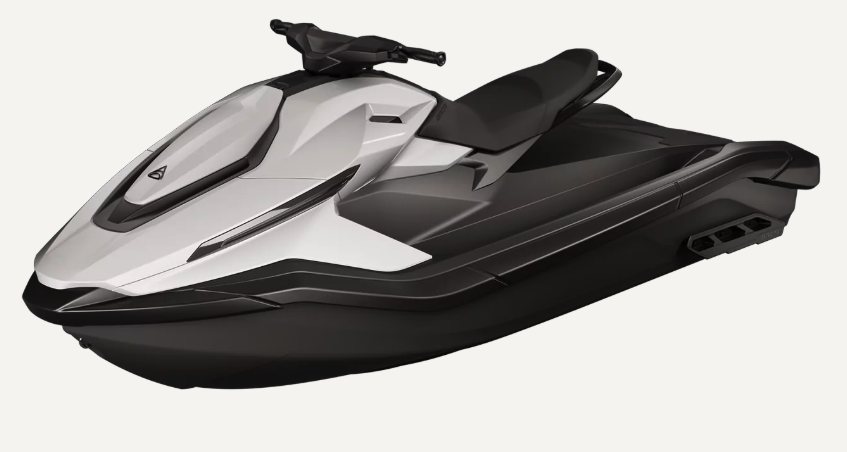
Forget the typical noise and vibration. The Orca delivers her power from a purpose-built electric powertrain that provides instant throttle response—an entirely different kind of thrill on the water. Her liquid-cooled motor generates up to 160 hp, with three selectable ride modes to dial in the perfect response, from calm cruising to full-throttle excitement. It’s a powerful push forward that lets you feel the wind and the water without the distractions of a combustion engine.
Perhaps the most surprising aspect of the Orca is the silence. The only sounds you’ll hear are the water splashing and the wind. This quiet operation allows for a new level of immersion, letting you take in the sights and sounds of your surroundings. With no fumes or oil to worry about, you can explore sensitive waterways and leave nothing but a ripple in your wake.
Taiga has engineered the Orca to be as simple to own as she is to ride. With no engine, there is no need for oil changes, spark plugs, or belts. Her advanced closed-loop cooling system means you never have to worry about flushing her after a ride. Charging is also straightforward, with the option to plug into a standard outlet overnight or use a fast-charging station to get back on the water in as little as 40 minutes. It’s a simpler, smarter way to play.
YAMAHA’S NEW CROSSWAVE PWC FEATURES UNIQUE WALK-AROUND DECK
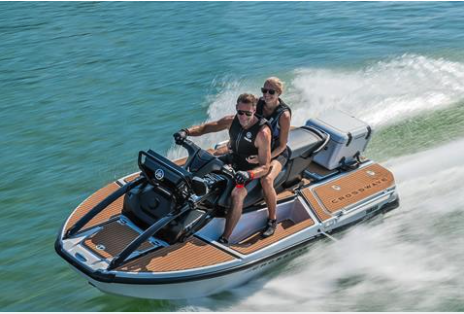
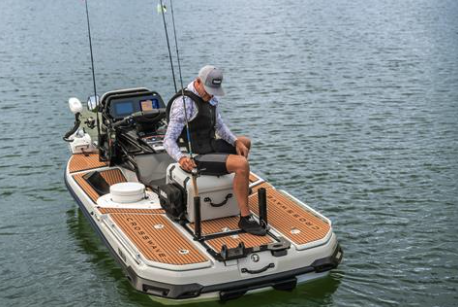
Yamaha has released a new addition to its popular WaveRunner personal watercraft (PWC) product line that it says will redefine the entire segment with unrivalled versatility. The company’s new CrossWave WaveRunner “combines Yamaha’s legendary performance with full walkaround versatility, expansive deck space, and true multi-use capability,” says the company.
Built on Yamaha’s longest and widest PWC hull to date at nearly 13ft in length and with a 67-inch beam, the CrossWave features a unique, flat, marine-matted walkaround deck from bow to stern for 360-degree mobility. The only four-seat PWC currently available, the unit’s third and fourth seats are removable, allowing the stern to be transformed to open deck space or used to accommodate fishing gear. The helm arrangement features a floating console with dual seven-inch touchscreen displays.
Offered in a single, premium configuration, the product is designed to allow end-users to customise the vessel as desired through a catalogue of modular aftermarket accessories including fishing kits, casting decks, leaning posts and additional seating. The entire deck surface is lined with Yamaha’s integrated T-Track system, which accepts accessories from washdown kits and rod holders to trolling motor brackets and shallow water anchors.
With 311 litres of storage space, the CrossWave includes a fishing rod compartment, an anchor locker in the bow and twin in-hull stern compartments. A 52-litre cooler, which mounts to the bow or stern deck, comes standard. Standard power in the CrossWave WaveRunner is a 1.9-litre, four-cylinder, four-stroke, high-output jet pump.
“This isn’t about going faster or carving harder,” said Yamaha Watercraft general manager, Bryan Seti. “The CrossWave is about going farther and doing more – with the space, flexibility and purpose that a growing segment of the PWC industry has been waiting for. It’s part utility vessel, part explorer, and 100% Yamaha.”
Yamaha has announced that the CrossWave will begin shipping in the US in Spring 2026, with pricing to be revealed closer to launch. While there are currently no plans for a New Zealand or Australian release in 2026, it remains an exciting concept—definitely one to watch.
SPOTLIGHT ON THE HYDRO-CYCLE BARRACUDA
An early leap toward personal watercraft
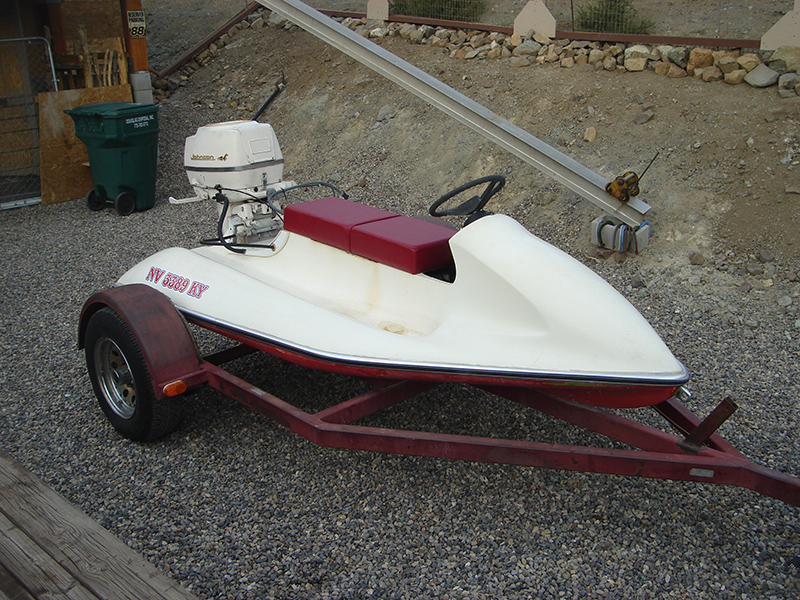
Before the word “Jet Ski” entered everyday boating vocabulary, there was the Hydro-Cycle Barracuda, a curious, short-lived watercraft that helped pave the way for the personal watercraft revolution. Launched in the late 1960s by Hydro-Cycle Inc., the Barracuda was marketed as a new kind of small, fun machine for the water. Built from fibreglass and measuring just nine feet in length, its compact form was paired with foam-filled construction that made it virtually unsinkable. Instead of a jet pump, it carried a small outboard motor, often up to 35 hp, which gave it the look of a futuristic runabout more than the stand-up PWCs that would follow a few years later.
Production was brief, running only from around 1969 to 1971. But during that short window, the Barracuda captured imaginations with its sleek profile and promise of freedom on the water. While it never achieved mainstream popularity, it stands today as one of the first serious attempts at what we now recognise as the personal watercraft. Surviving examples are rare, with only a handful known to collectors. Restored models occasionally surface, drawing attention not only for their rarity but also for the role they played in shaping recreational boating.
More than half a century later, the Hydro-Cycle Barracuda remains a significant historical footnote—a bold experiment that foreshadowed the thrill and accessibility of the modern PWC era.
“DID YOU KNOW?!” – 5 UNIQUE FACTS ABOUT PWCS
- PWCs are Kiwi inventions (sort of!)
The first commercially successful stand-up PWC was developed by Kawasaki in the US, but the idea came from Clayton Jacobson II, whose prototypes were partly inspired by motorcycle culture. Interestingly, New Zealand engineers later made a name for themselves by custom-modifying and racing them, helping to push the sport in the Southern Hemisphere. - Sheep rescues on PWCs
In rural parts of NZ, farmers have actually been spotted using jet skis to herd sheep stranded on river flats or even rescue livestock during floods. Not the usual surf lifesaving image! - Sydney Harbour Showdown
In the late 1990s, PWCs were banned on Sydney Harbour after noise complaints and reckless riding. They’ve since been allowed back under strict licence and behaviour rules, but it’s still one of the quirkiest bans in Australian boating history. - Speed demons
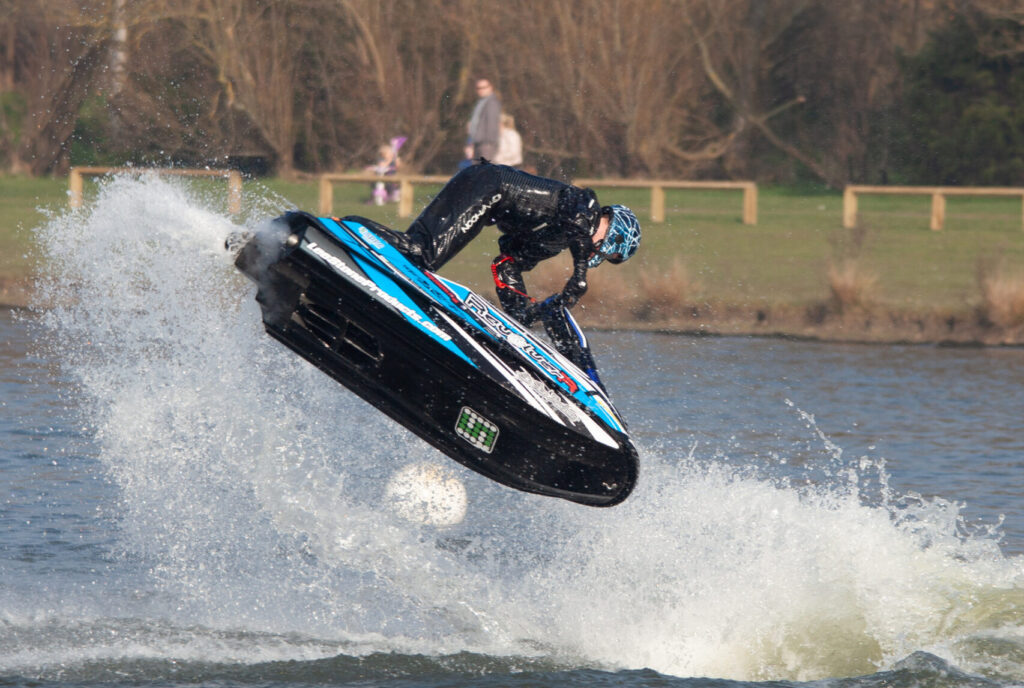
Modified PWCs in Australia and NZ have hit insane speeds. Racing models can clock over 120 km/h, and drag-style PWCs have been known to outpace offshore race boats in short bursts. - Movie stunt doubles
PWCs have been used in Aussie and Kiwi film productions as camera platforms for water action scenes, because they can get close, move fast, and spin around way easier than boats.
YAMAHA WAVERUNNER CELEBRATES 40 YEARS WITH RELEASE OF 2026 LINEUP
Celebrating 40 years since the release of the original WaveRunner 500, Yamaha is excited to announce the 2026 WaveRunner line-up, which includes fresh new colours and striking graphics.
FX Series Lineup
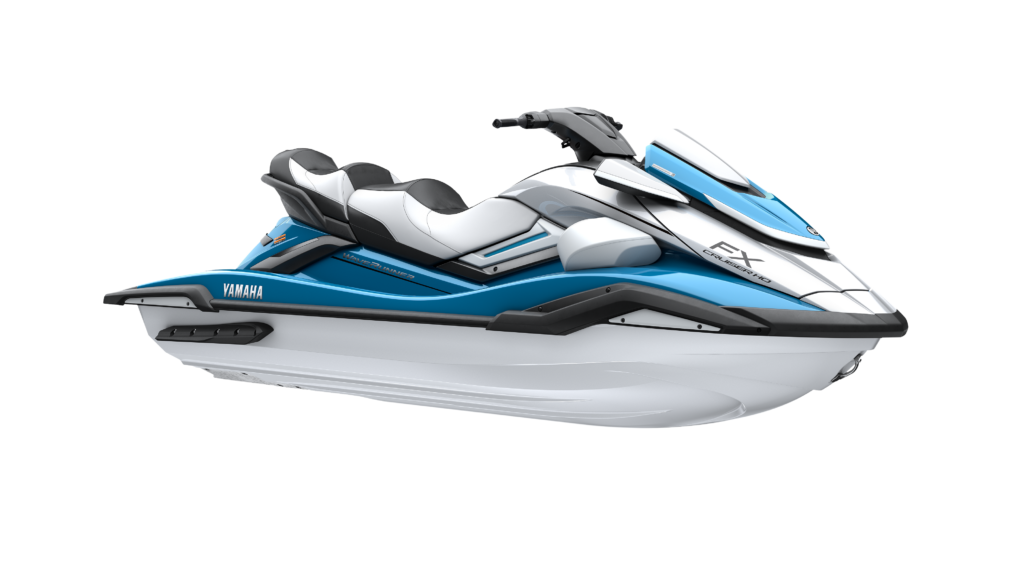
The 2026 line-up includes the FX Cruiser HO and FX HO models which come with the industry’s largest capacity and most powerful, 1.9 litre naturally aspirated marine engine. All FX models come with the factory-installed audio system by Yamaha, a feature-rich 7-inch extra-large touch screen, smartphone integration, built-in GPS, 168 litres of storage and heaps of additional features for those wanting to experience big horsepower combined with luxury performance.
FX JetFish
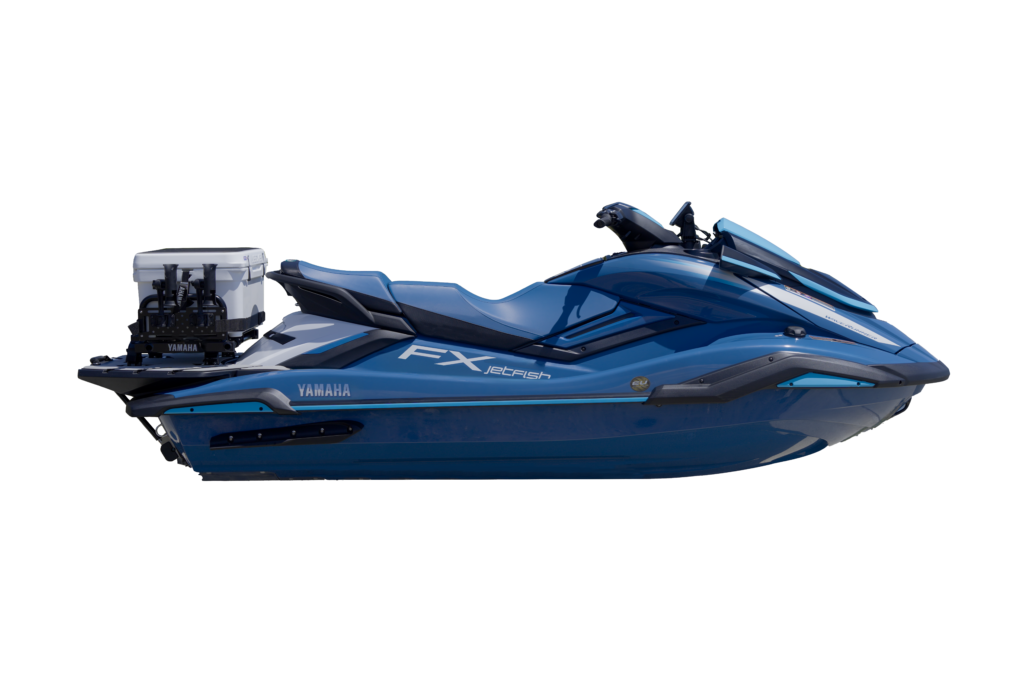
Yamaha’s dedicated fishing ski, the 2026 FX JetFish comes with Yamaha’s exclusive JetFish package, which includes the Yamaha RecDeck, premium fishing kit, Garmin fish finder and GPS, and custom FX JetFish graphics. Combined with the industry’s largest-capacity 1.9-litre marine engine, this craft delivers the power, ride performance, and manoeuvrability to reach any fishing spot – from small creeks and estuaries to offshore fishing grounds.
GP Series Lineup
With multiple World Championship winning credentials, the 1.9 litre naturally aspirated GP 19HO continues the unbeatable legacy in 2026. This race performance model comes with the factory installed audio system by Yamaha, a 4.3-inch Connext feature-rich colour display, mobile phone connectivity and race-winning drive controls.
VX Series Lineup
The 2026 VX series comes with new colours and graphics and includes the 1.9 Litre big horsepower VX Cruiser HO, and the 1049cc Litre, VX Cruiser with the factory-installed audio system by Yamaha and VX Deluxe models. All VX Series models feature a 4.3-inch colour Connext display, Yamaha’s RiDE dual-throttle controls, and 114 litres of storage, delivering the all-round versatility and performance the range is renowned for.
JetBlaster Series Lineup
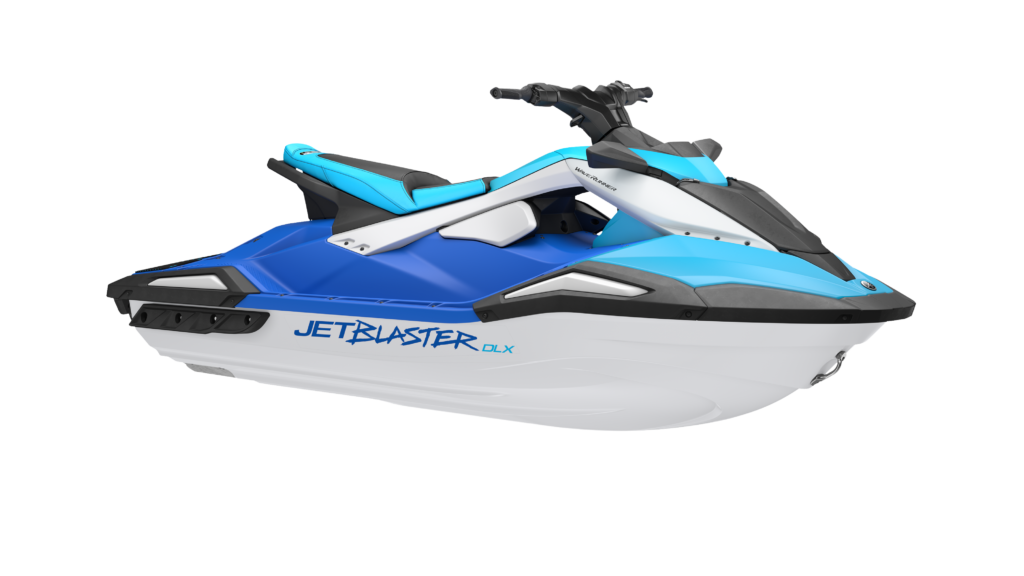
New to New Zealand for 2026, the compact yet powerful JetBlaster range introduced a whole new generation of riders to the WaveRunner brand, combining affordability with playful performance. The 2026 range kicks-off with the two-seater JetBlaster, which comes with Yamaha’s award-winning TR-1 marine engine and durable high-quality SMC painted hull. This ski is the most affordable in Yamaha’s line-up.
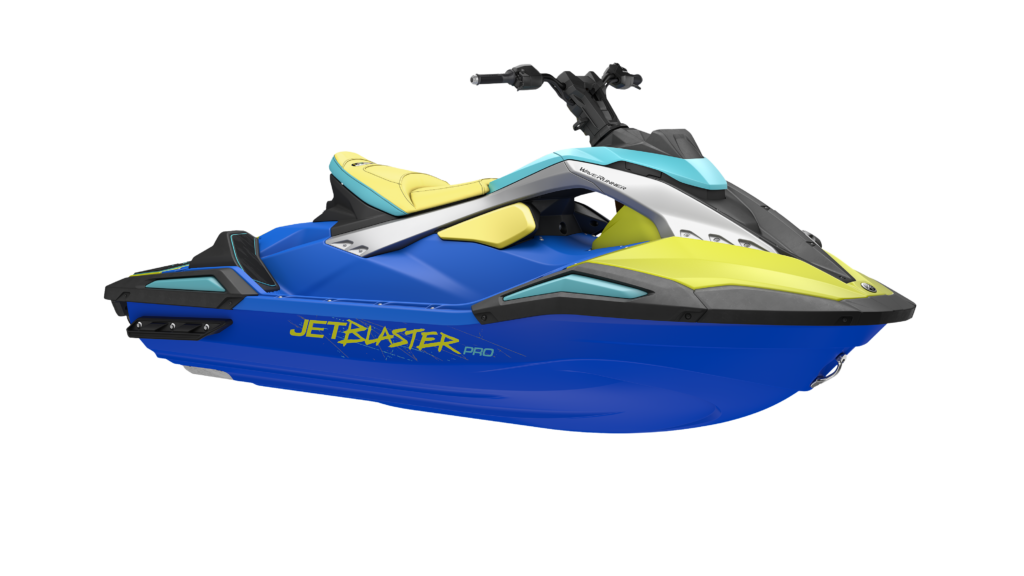
Next is the three-seater JetBlaster DLX, which includes Yamaha’s patented RiDE dual throttle controls, bow storage, reboarding step, mirrors and two-tone stern mats.Topping the series is the exciting JetBlaster Pro model, available in three-person configuration. The JetBlaster Pro offers enhanced freestyle performance for tail stands, spins, and other adrenaline-pumping manoeuvres. These models also feature the more powerful TR-1 High Output (HO) marine engine, a feature-rich 4.3-inch display, RiDE controls and a host of premium upgrades.
2026 WaveRunner Release
The 2026 WaveRunner lineup is expected to hit New Zealand shores in late 2025.
FROM FIRST-TIMERS TO THRILL-SEEKERS, THERE’S A SEA-DOO FOR EVERYONE
Sea-Doo were delighted to showcase their full PWC range at the recent Sydney International Boat Show. From the fun and nimble Sea-Doo Spark, designed for those who love agility and excitement, to the top of the food chain RXP-X 325, there’s a Sea-Doo for everyone this coming season!
REC LITE – Sea-Doo Spark and Spark Trixx
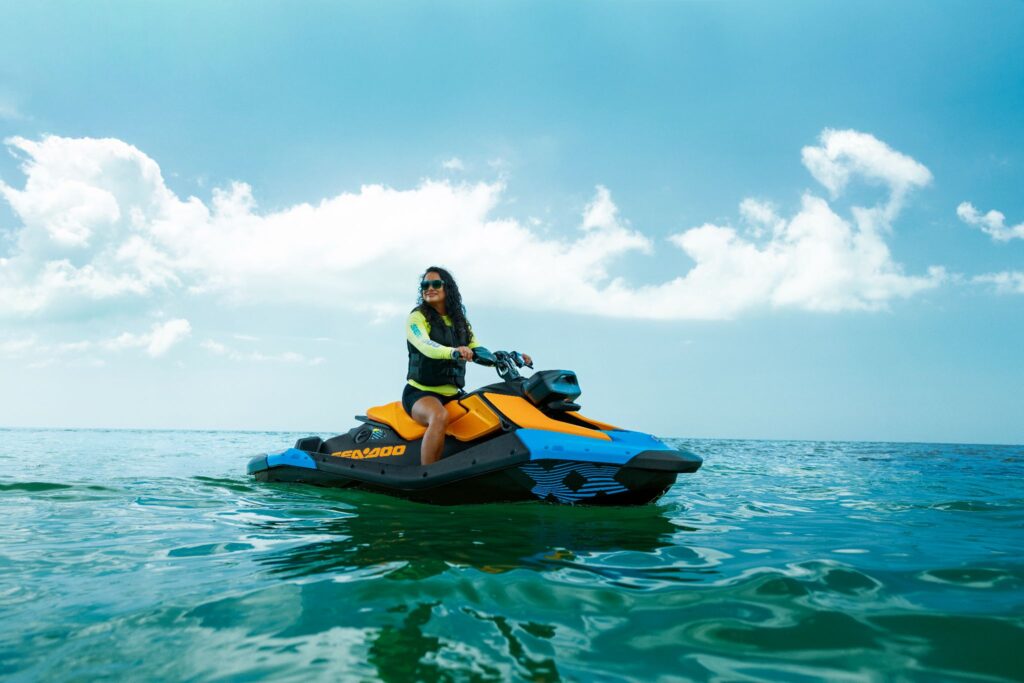
These lightweight and nimble units are perfect for someone who’s getting their first taste of the Sea-Doo Life. The Spark range lets you maximise your on-water fun with flashy looks, and nimble and peppy handling. In terms of value, the Spark family is light on the wallet without having to compromise on fun. It’s lightweight and easy to tow and the base Spark unit comes with a fast and fuel-efficient Rotax 900 ACE engine–from here, the fun only increases.
RECREATION – Sea-Doo GTI and GTI SE
The GTI platform sets the standard on the water for family fun–and the bar is high. Whether your ideal day out on the water consists of spirited riding, tow sports, fishing or just cruising, the GTI is the unit for you. Both the GTI and GTI SE models have unmatched stability, versatility and style. With engines starting at the Rotax 1630 ACE – 130, the GTI platforms are built to let you decide how wild or mild you want each ride to be.
ADVENTURE – Sea-Doo Explorer Pro
The Sea-Doo Explorer Pro is made for those who want to explore. It’s the first ever PWC to come with a windshield, designed especially for adventure and distance riding. This unit comes with a 170 hp engine, giving you plenty of torque for towing all while still being fuel efficient. The Sea-Doo Explorer Pro is the first unit truly built for adventure: it’s designed to give you more space for some of that extra gear you want to bring along on your next expedition, incredible stability, and comfortable adventure-focused features.
TOURING – Sea-Doo GTX and GTX Limited
The perfect blend of comfort, performance and attitude come together to make the GTX and GTX Limited PWCs. Spacious and confident, the GTX delivers comfort and convenience in a range of features, giving you the ultimate unforgettable experience. Three Rotax engines are on offer for this platform, letting you customise your ride and fine-tune it to be just to your taste. You won’t want the ride to end. The Sea-Doo GTX Limited comes with a 10.25 inch touchscreen which has navigation support via the BRP GO! app, audio control and key riding statistics.
PERFORMANCE – Sea-Doo GTR, RXT-X RS and RXP-X RS
When we say ‘performance’, we mean it. The RXP-X 325 is the fastest and most powerful PWC on the market. This range is not for the faint of heart: with power, speed and a need to push the limit, the Sea-Doo Performance range lets you experience high-octane fun. The GTR is designed to give you this speed, and with a nimble, predictable hull you can keep acceleration pinpointed.
SPORT FISHING – Sea-Doo FishPro APEX, Trophy and Sport
Sea-Doo is a pioneer in PWC fishing, and their extensive range caters from the avid fishing enthusiast to the occasional angler. Originally designed in conjunction with New Zealand talent, Andrew Hill, these units are truly purpose-built for fishing. The Sea-Doo FishPro range consists of the Sea-Doo FishPro Trophy, Sport and Scout, and the limited edition Sea-Doo FishPro APEX which is equipped with a 300hp engine that gets you to the best fishing spots faster.
SEA-DOO SWITCH CRUISE
The Sea-Doo Switch Cruise 21ft (230hp) is a versatile pontoon perfect for days on the water with family or friends. Its modular deck and LinQ accessory compatibility let you customise the layout to suit your crew, while closed-loop cooling reduces maintenance and maximises time on the water. With intuitive handlebar controls and Sea-Doo’s exclusive iBR braking and reverse system, it offers unmatched control—on the water and at the boat ramp.
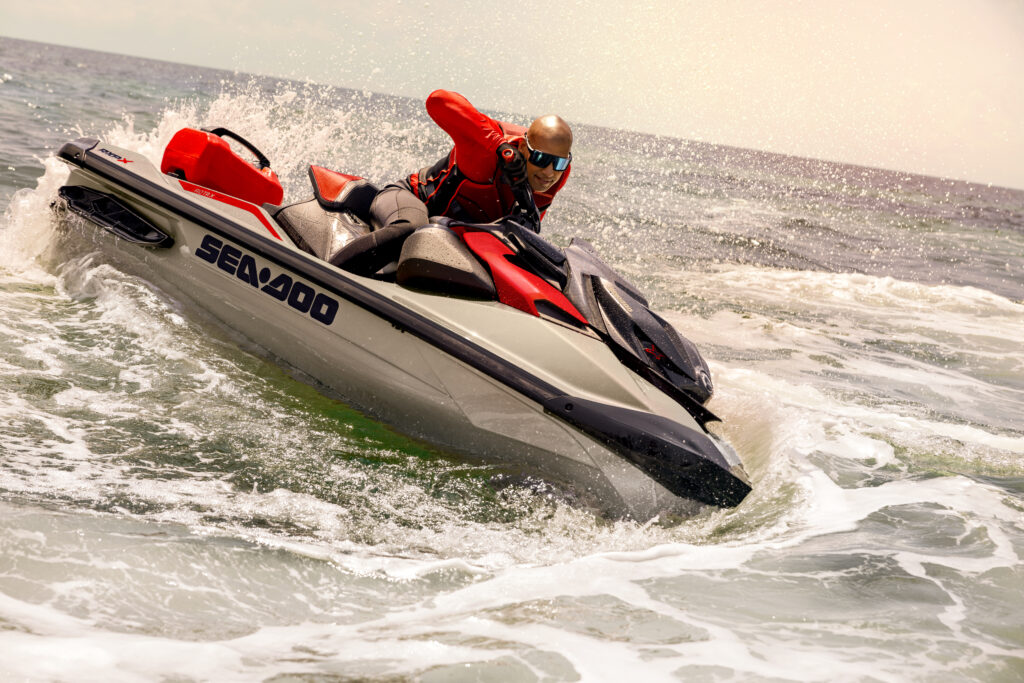
FIND YOUR WATER, FRIENDS, AND FISH WITH SEA-DOO’S EXPANDED CONNECTIVITY
Sea-Doo continues to push the boundaries of what personal watercraft (PWC) life on the water can be through innovative new connectivity features and improvements to the entire Sea-Doo lineup.
“Every year, we push to elevate the Sea-Doo experience for our new and loyal customers alike, who are looking to live their best Sea-Doo Life. We listen carefully to their feedback and respond through continuous improvements to our products featuring innovative and industry-leading technologies with the goal of making our communities feel closer than ever before,” says James Heintz, Global Product Strategy Director, Sea-Doo and Vehicle Connectivity.
Riding a Sea-Doo is all about the experience and sharing it with a community of like-minded friends and family. In 2026, more models are getting the intuitive 10.25’’ Touchscreen Display. First introduced on the 2025 GTX Limited 325, the larger screen was an instant hit with Sea-Doo riders and is now standard equipment on the 2026 RXT-X, FishPro Trophy, Wake Pro (230) and Explorer Pro, and available as an option on the RXP-X 325.
Customisable with smart connectivity functions, it includes driving statistics, compass, marine navigation with the BRP GO! App which can be enhanced with a Navionics™ subscription, music, plus more. The larger screen not only provides more information at a glance, but also allows riders to track each other on water as well as plan and create itineraries. This technology delivers some unique features for specific models. For example, on the RXP-X, it adds one more high-performance feature to the mix with Launch Mode managed directly from the gauge for blistering holeshots, giving riders a jump on the competition.
On the FishPro Trophy, the 10.25 inch screen provides anglers the opportunity to follow a detailed marine navigation map on the main screen using the BRP GO! Mobile App and then use the Garmin GPS, which has been upgraded from a 7 inch to 9 inch screen exclusively for the 2026 Sea-Doo FishPro Trophy, in fish finder mode to improve the odds of catching the big one. The FishPro Trophy also now has a Hydraulic steering dampner making it easier to handle high speeds and rough conditions, and improved handlebar ergonomics. Additionally, on the Wake Pro, the Ski Mode is now controlled directly through the touchscreen, offering 5 different ramps that provide unique speed and acceleration to improve rider safety based on a variety of rider skill levels. BRP is bringing the noise with upleveling your experience on the water with the introduction of the Platinum BRP 80W Speakers, an upgrade from the legendary 50W speakers. Combined, this gives a total of 160W of sound delivered by two speakers.
IDF (Intelligent Debris-Free Pump System, introduced in 2021 for the FishPro and GTX models is now standard on the GTI-SE. This innovation helps riders clear debris from the intake grate, such as weeds or rubbish, with the push of a button. Riders no longer have to manually remove blockages that require them to get off their PWC and enter the water. It also reduces wear and tear; prompt debris removal can prevent mechanical issues that occur if blockages are left untreated, protecting the pump and cooling systems.
Sea-Doo has the right vehicles, apparel, and accessories to ensure the whole family makes the most out of their time on the water, creating memories that will last a lifetime. For more technical details and product specs, as well as information about the complete lineup of Sea-Doo personal watercraft and pontoon boats.
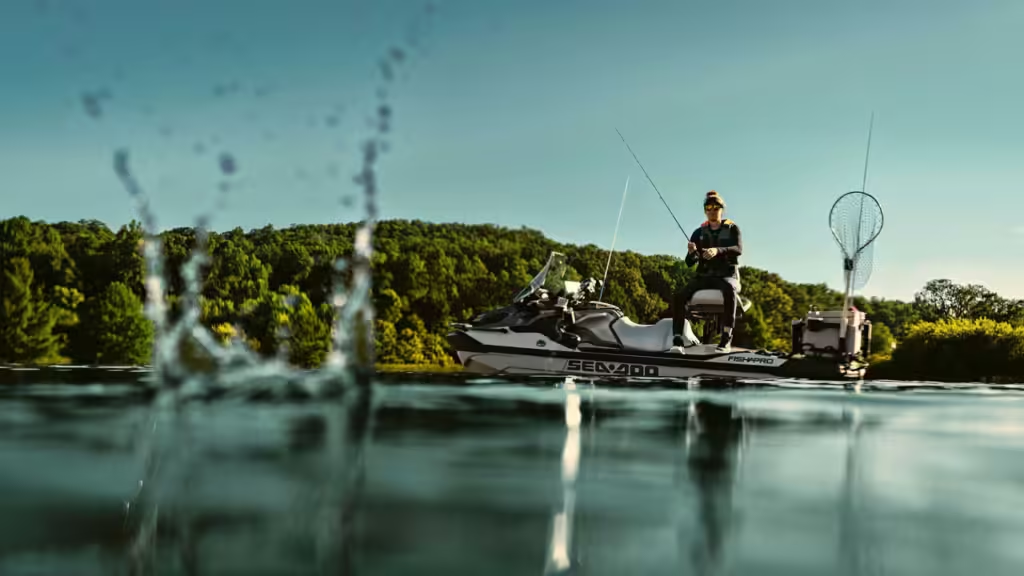
ANDREW HILL’S TOP TIPS FOR PWC FISHING
PWC (Personal watercraft) fishing has become increasingly popular over the last few years, with anglers recognising the benefits they provide. PWCs allow access to new waterways, are easy to launch and operate, and are more cost-efficient than owning a boat. Not to mention the thrill of the ride for those more adventurous fishing enthusiasts. Andrew Hill, a pioneer of PWC fishing and founder of Adventure Fishing, has a wealth of experience and advice when it comes to PWC fishing, having spent years fishing in New Zealand’s diverse waterways. Andrew also played a pivotal role in developing the market-leading Sea-Doo FishPro.
Here are a few of his top tips:
Check the conditions
Always learn the local navigation rules and be aware of weather, tides, and hidden hazards in your riding area.
Stealth Manoeuvring
Avoid racing around at high speed when hunting for fish. When approaching a fishing spot, Andrew Hill recommends moving slowly and quietly to minimise any disturbance.
Gear Selection and Setup
Ensure you have the correct gear for the fishing trip you are undertaking. The Sea-Doo FishPro comes with a Garmin fish finder and GPS. The Garmin system offers real-time insights into underwater terrain, fish location, and structure. This empowers you to make informed decisions and maximise your chances of a successful catch. Safety equipment is vital, including a PFD, personal locator beacon, VHF Radio and phone in a waterproof container.
Other necessary fishing equipment may include a knife, a landing net, a short gaff, spare leader, braid scissors, and a compact tackle bag with various jig heads and lures.
Lure and Bait Choices
Hill’s go-to soft bait for big snapper is the Gulp 7″ King Shrimp, which he finds most attractive to fish due to its likeness and action of what larger Snapper enjoy feeding on.
For jig heads, he prefers longer hooks (such as 7/0 Berkley Nitro jig heads) to ensure better hook-ups, especially with larger baits. He typically uses 1-3 ounce jig heads to match the drift and current conditions. He also highlights the effectiveness of lures and soft-baits for PWC fishing, as they are simple, effective, and create less mess compared to bait fishing.
Clothing and Sun Protection
Sun protection is critical year-round. Hill advises wearing a hat, footwear, fingerless gloves, buff, sunglasses, long-sleeve shirts, sunscreen and neoprene shorts. In colder conditions, thermals and waterproof outer layers are recommended.