In 2026, Electronic Navigation Limited (ENL) celebrates 80 years at the forefront of New Zealand’s marine electronics industry. From humble beginnings to global technological leadership, ENL’s story is one of Kiwi ingenuity, resilience, and a deep connection to the ocean.
The ENL Origins
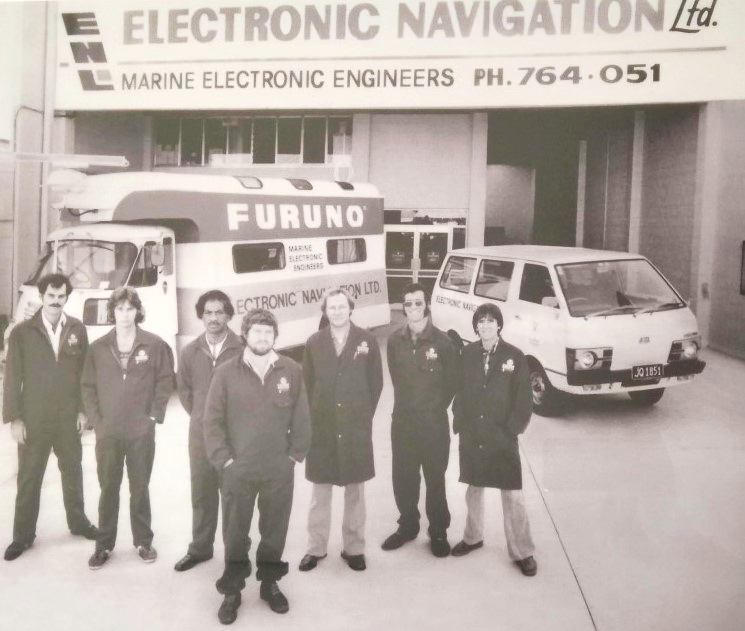
Electronic Navigation Limited was established in 1945 as a small New Zealand public company. In its earliest years, ENL’s work was diverse and inventive, developing everything from horserelease mechanisms for the racing industry to radio direction finders for fishing vessels.
What began as a small local operation would steadily grow into a company that now stands alongside some of the most respected names in New Zealand’s marine industry. Along the way, ENL also achieved a level of international success that many New Zealanders remain largely unaware of – quietly building a global reputation from its Auckland base.
A Partnership that Shaped a Legacy
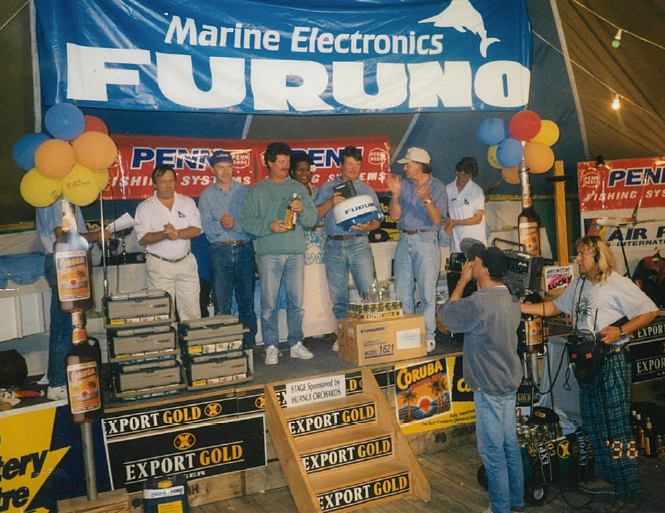
Known widely as ENL, the company spent many years supporting the fishing industry as a trusted provider of marine electronic services. A defining moment came in 1960 with the establishment of a partnership that continues to this day: ENL became the New Zealand distributor for Japanese marine electronics manufacturer Furuno, the company that invented the world’s first fish finder in 1948.
The relationship with Furuno Japan remains central to ENL’s domestic offering and has been a cornerstone of its success for more than six decades. By the 1950s and 1960s, it was already clear that multiple paths were converging, and the future for ENL was bright.
As its ties with Furuno strengthened, other leading international marine electronics brands also partnered with ENL to distribute their technologies throughout New Zealand and the wider Pacific. As these partnerships expanded, ENL became a major force in both the recreational and commercial marine sectors. Despite being well ahead of the curve on global alliances, ENL increasingly became known, both internationally and domestically, for something uniquely Kiwi: WASSP. The story behind the unusual, insectsounding acronym for advanced 3D seabed mapping is one worth telling.
From Distributor to Innovator
ENL’s early decades were defined by a reputation for supporting commercial operators and recreational boaties with dependable marine technology. But it was innovation, and classic Kiwi problem-solving – that truly set the company apart. This “think-outside-the-box” mindset led to solutions across multiple industries, including horse-racing gates and taxi meters.
Recognising this development potential, ENL formally established its research and development division in 1990. That decision would not only change the company’s direction but also ultimately influence the global multibeam sonar landscape
The company’s capability for developing industry-changing products was evident early on. In 1998, ENL developed the Datamaster GMDSS communications system, reinforcing its position as a serious technology developer. Leveraging its extensive systems-engineering expertise – and a healthy dose of Kiwi know-how – ENL later became a market leader in the Orange Roughy fishery with the development of Netlink, a net-monitoring system that provided fishers with accurate net velocity and distance data at depths of up to 2,000 metres.
In the early 2000s, ENL’s growing engineering capability culminated in a true gamechanger: the development of its own multibeam sonar system, designed and manufactured entirely in Auckland. At the time, cost-effective 3D seabed mapping for commercial fishing was largely considered unrealistic. Operators had limited ability to efficiently map the ocean floor, manage rising fuel costs, or fully understand their fishing environments.
ENL saw the problem – and created the solution.
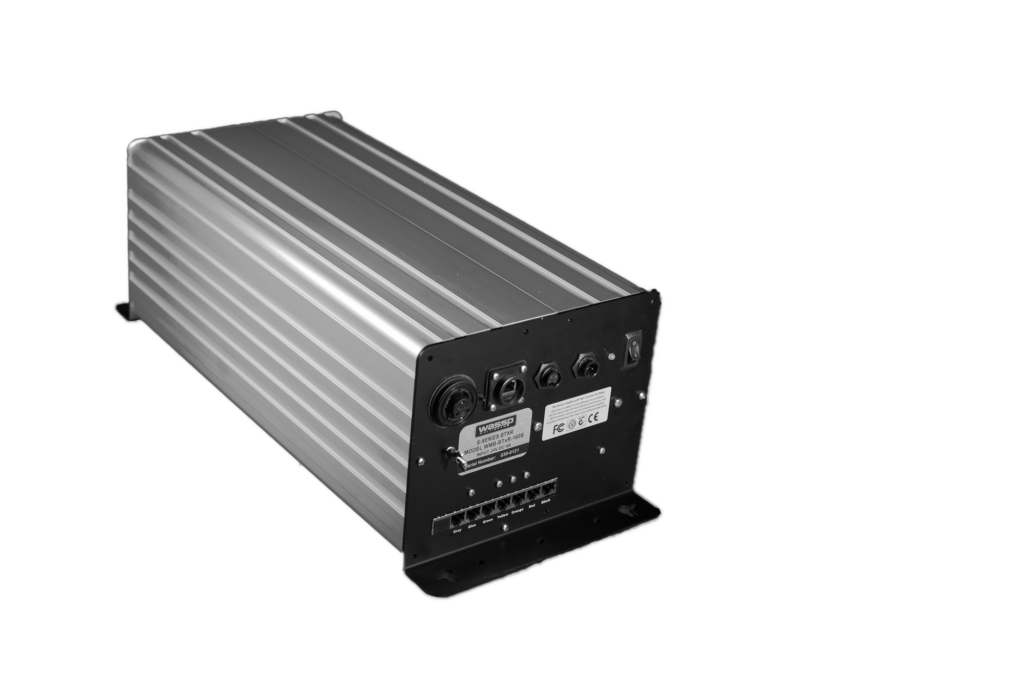
The result was WASSP. And it changed everything
The Rise of WASSP
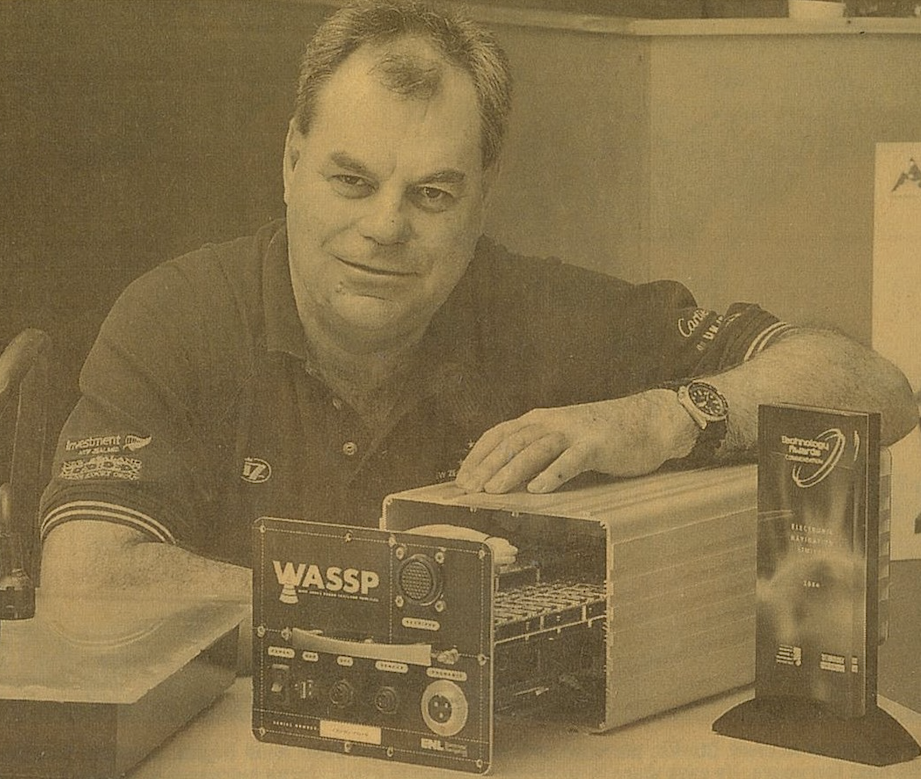
In true Kiwi style, the turning point for the company came from the water, not the boardroom. In the early 2000’s, current ENL Managing Director Gareth Hodson, who was a young sales manager for the company at the time, was approached by Dan McCrae, a cray fisherman frustrated by wasted time and fuel spent searching for productive ground. Rather than offering an incremental fix, ENL saw a much bigger opportunity. The WASSP system was still in its infancy at the time and needed strong early adopters, and the cray-fishing sector seemed like a perfect fit. After several rounds of testing and refinements on the transducer, ENL developed a unique technology that gave him a significant advantage in his fishing operations. When he bought his second boat a few years later, the first thing he did was install a WASSP.
Commercialised in 2006, WASSP rapidly became the world’s leading multibeam sonar for commercial fisheries. Its ability to deliver high-resolution, real-time seabed and water-column data transformed decision-making at sea. Adoption quickly spread beyond fishing fleets to survey vessels, research organisations, and superyachts worldwide as the system’s versatility became widely recognised.
This breakthrough elevated ENL from a distributor of global brands to an internationally recognised marine technology innovator. Supported by a strong partnership with Furuno, the pathway to global markets was firmly established.
Even with the technology behind them, however, it wasn’t until the company launched the third-generation model on a digital platform that rapid growth began. This was facilitated by its international connections, which provided a strong channel to market.
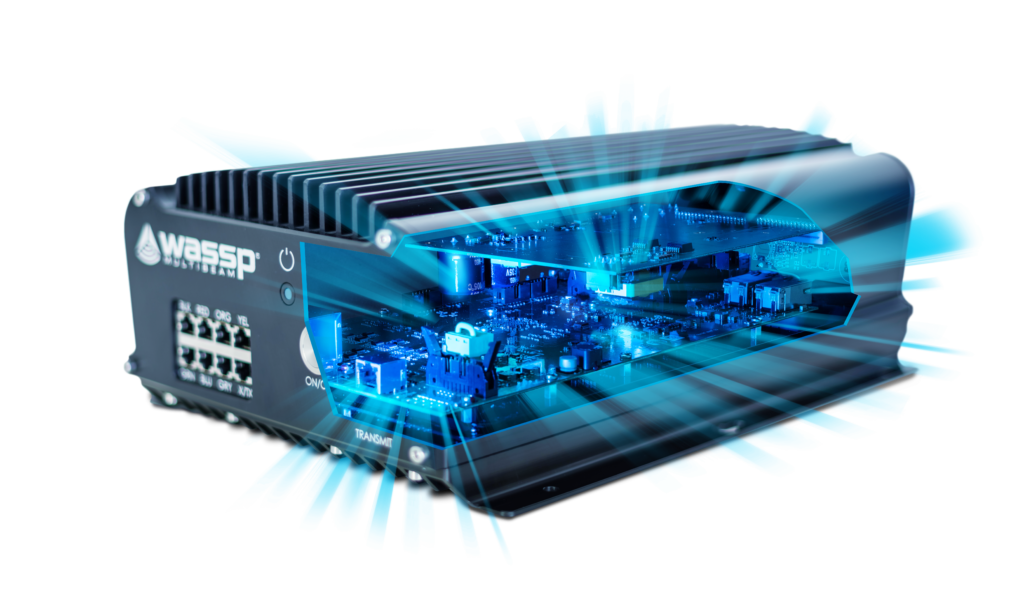
As WASSP technology spread worldwide, its value became clear across an even wider range of applications. From defence and exploration to superyachts and scientific research, WASSP systems provided users with unprecedented insight beneath the surface, enabling better operational, environmental, and safety decisions.
Furuno’s head office in Japan also recognised the significance of the technology, leading to substantial investment from one of the world’s most respected maritime electronics companies. This endorsement represented a major vote of confidence in both the WASSP platform and the ENL team behind it.
Today, WASSP leads the global commercial fishing multibeam market, with sales in the nine-figure range, strong brand recognition across Europe, North America, and Australasia, and a dominant market share in sectors such as lobster fishing, where it holds around 80% of the Australasian market. Not bad for a product designed and built in Auckland.
The Future Is WASSP
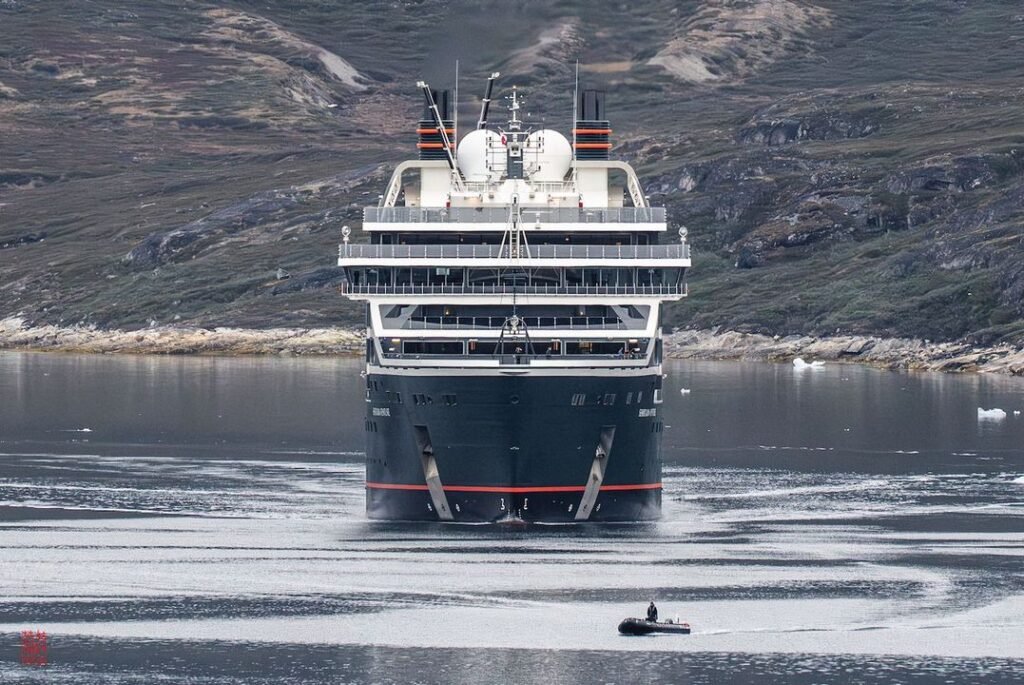
As ENL edges closer to a century of operations, WASSP is firmly established as the driving force behind the company’s future. What began as a bold engineering challenge in Auckland has evolved into a globally recognised technology platform that continues to shape how professionals see, understand, and work with the seafloor.
Demand for accurate, real-time seabed and water-column data continues to grow across commercial fishing, hydrographic survey, defence, research, and superyacht markets. As marine operations become increasingly datadriven, the relevance of multibeam sonar technology is accelerating.
With a growing global dealer network, strong international partnerships, and a relentless focus on innovation, WASSP represents more than a product line. It is the embodiment of ENL’s evolution from distributor to innovator – and the platform on which the company’s next chapter will be built.
80 Years Strong – A Proud Past, a Clear Direction
From its 1945 beginnings to its global leadership today, ENL has consistently embraced innovation, resilience, and a deep respect for the marine environment. The team continues to provide world-class marine solutions to its most important resource, its customers across New Zealand and the world.
Now, with strong domestic and international foundations, a technology platform led by WASSP, ENL is entering its next chapter of innovation with confidence.
A proud past. A powerful technology. And a future built on the spirit of ENL – powered by WASSP.