
A GROWING AND DANGEROUS TREND
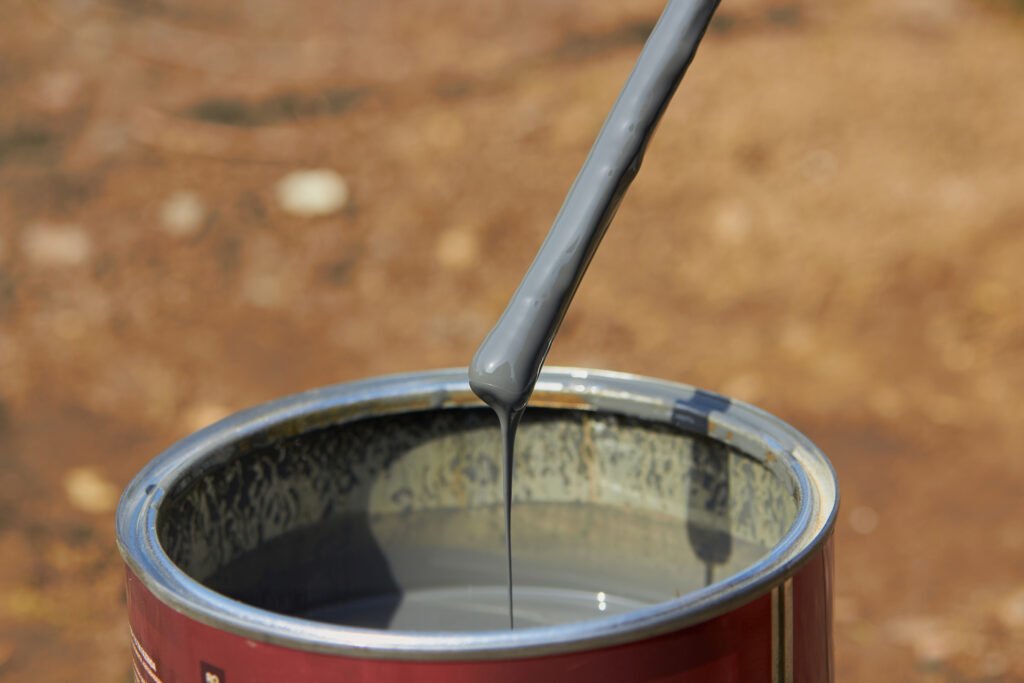
During the recent Auckland Boat Show, an issue surfaced repeatedly in conversations with marine industry professionals, and it is one that should concern every responsible boatie in New Zealand. It seems that increasing numbers of boat owners are adding their own “secret ingredients” to commercially manufactured antifouling paints.
What might once have been dismissed as dockside folklore now appears to be a widespread practice, and, according to marine paint manufacturers, it is becoming alarmingly common.
While the practice is not entirely new, the sheer scale of the behaviour now being openly discussed is deeply concerning.
Many of those admitting to modifying antifouling were reportedly mainly based in Northland and Auckland (areas that have recently been plagued by abnormal fouling issues), The justification offered by some Northland boat owners is familiar: “Nothing works in the Bay of Islands.”
THE LEGAL REALITY
What many boaties either do not realise or choose to ignore is that adding unapproved substances to antifouling paint and releasing it into the marine environment is illegal without approval from the Environmental Protection Authority.
Antifouling paints are tightly regulated products. Every ingredient used in their formulation must undergo extensive environmental and toxicological assessment before approval. Manufacturers invest millions of dollars in research, testing and compliance to ensure their products meet strict environmental standards.
The rules exist for good reason, and when someone mixes their own additives into antifoul, whether that is pesticides, agricultural chemicals, or other substances, they are effectively introducing untested toxins directly into the marine ecosystem.
Some of the backyard chemistry stories shared at the show were extraordinary, with reports of boat owners adding a wide range of substances. Among the additives mentioned were agricultural chemicals such as cattle drench, industrial compounds, and even products like Metal-Lux, a known poison.
Those working within the marine industry should be among the strongest advocates for protecting our waterways, not participants in potentially damaging practices.
ENVIRONMENTAL CONSEQUENCES
Ironically, many of the same boaties experimenting with DIY antifoul additives are also quick to point fingers when discussing environmental issues in popular cruising areas.
Concerns about seagrass, excessive barnacle growth, invasive species, and changes in marine ecosystems are frequently raised, particularly in areas such as the Bay of Islands. Yet the practice of adding unregulated chemicals to antifouling paint may be contributing to exactly the sort of environmental damage people claim to be worried about.
Marine ecosystems are complex and delicately balanced. Introducing unapproved chemicals into coastal waters could:
• Harm beneficial marine organisms that naturally control fouling species
• Disrupt food chains
• Damage seagrass beds and other habitats
• Alter the way antifouling paints release their approved biocides
In other words, the supposed “solution” may in fact be making the problem worse.
The science behind antifouling
Modern antifouling coatings are the result of years of laboratory and field testing. Manufacturers carefully control how active ingredients are released into the water, balancing effectiveness against environmental impact. Changing the chemical makeup of a coating, even slightly, can dramatically alter its behaviour.
Adding untested substances can:
• Reduce the paint’s effectiveness
• Damage the coating structure
• Change the release rate of biocides
• Create completely unpredictable environmental outcomes
“Illegal additives to antifoul coatings will simply and selfishly, deprive future generations of the gifts of New Zealand’s marine environment.”
REGULATORY OVERSIGHT
Agencies such as the Environmental Protection Authority and Ministry for Primary Industries maintain strict oversight of substances that may enter New Zealand’s waterways.
There are already strong regulations governing antifouling products and their ingredients. However, enforcement becomes much more difficult when individuals begin altering those products themselves.
Some industry figures believe regulators should consider random testing of antifouling being applied in boatyards and marinas. If unapproved substances were detected, enforcement action could follow. Such measures might sound heavy-handed, but they could quickly bring an end to what appears to be a growing and environmentally risky practice.
On contacting Dr Lauren Fleur (The Manager of Hazardous Substance Applications), of the Environmental Protection Authority (EPA), comments;
‘Antifouling paints are toxic to people and the environment. As such, the Environmental Protection Authority (EPA) assesses each antifouling paint before they are approved to ensure risks can be managed and mitigated.
If other substances are mixed with an antifouling paint before use, this might introduce new risks which the EPA has not assessed.
We advise users of all hazardous substances to ensure they understand the rules around their use and to follow label directions at all times.
We also remind users that you can no longer buy or use antifouling paints containing thiram, diuron, octhilinone or ziram.
People who are using unapproved hazardous substances may be exposing themselves, people around them, and the environment to unexpected risks.
Generally, when a new component is added to a substance that changes any of its properties, it becomes a new substance which would require its own assessment to make sure the risks can be managed and appropriate rules are in place’.
A CALL FOR INDUSTRY RESPONSIBILITY
The marine sector in New Zealand has long prided itself on environmental stewardship. From biosecurity awareness to waste management initiatives, there is increasing recognition that boating and conservation must go hand in hand.
That responsibility applies not only to regulators and manufacturers, but also to boatyards, marinas and industry professionals.
Encouraging, or even tolerating, the addition of unapproved chemicals to antifouling undermines the environmental standards the industry has worked hard to establish.
Education may ultimately be the most effective solution, the reason for this article. Many boaties may simply not realise that modifying antifouling paint is illegal and potentially harmful.
FASTER APPROVALS MAY HELP
Another factor raised during discussions at the show is the lengthy approval process for new antifouling technologies.
Several manufacturers noted that innovative products capable of improving fouling control are already in development, some ready now, but remain caught in lengthy approval processes, which can take up to 5 years to get approval. Streamlining environmental testing without weakening safeguards could help bring better-performing, environmentally responsible products to market sooner.
That, in turn, may reduce the temptation for some boat owners to experiment with their own backyard chemistry.
PROTECTING THE BOATING WATERS
New Zealand’s boating culture is built around some of the world’s most spectacular marine environments. Including the current fouling problem areas from the Hauraki Gulf to Northland’s cruising grounds, these waters are central to the boating lifestyle that magazines like PowerBoat celebrate. Protecting them should be a shared responsibility.
Boaties who mix their own antifoul additives may believe they are simply trying to solve a fouling problem. But in reality, they could be introducing harmful substances into the very environment they enjoy most.
Antifouling paint may not be the most glamorous topic in boating, but the choices made in boatyards today can have lasting effects on our marine ecosystems.
Sometimes the best solution is also the simplest: Use the product as the manufacturer intended, and leave the chemistry to the experts!