
Is Your Boat Ready for the Season?
As the days grow longer and temperatures begin to climb, Kiwi boaties start looking forward to weekends on the water. Whether it’s fishing the Hauraki Gulf, exploring the Bay of Islands, cruising the Marlborough Sounds or towing the family to the local ski lane, spring is the ideal time to get your boat and safety equipment in top condition before the summer rush.
After months sitting in the driveway, under a cover, or in a marina berth, even the best-maintained boats deserve a thorough inspection. A little preventative maintenance now can save you from costly repairs, frustrating breakdowns, or worse, an emergency on the water when help may be miles away. Think of it as giving your boat its annual Warrant of Fitness.
Start with the Hull
Begin with a walk around the boat. Look carefully over the hull for any cracks, chips, blistering, or signs of impact damage that may have occurred during storage or the previous season.
Pay particular attention around:
- The keel and chines
- Through-hull fittings
- Trim tabs
- Transducer mounts
- Trailer contact points
Any small gelcoat damage should be repaired before launching. Water intrusion into fibreglass can lead to much larger problems if left untreated.
If your boat lives in the water, inspect the antifouling. Patch any worn areas or consider a fresh coat if it’s nearing the end of its service life.
Check the Trailer Before It Checks You
For many boaties, the trailer gets just as much use as the boat itself, yet it’s often overlooked.
Inspect:
- Tyre condition and pressures (don’t forget the spare)
- Wheel bearings
- Wheel nuts
- Lights and wiring
- Winch strap and cable
- Safety chain
- Coupling and locking mechanism
- Brakes (if fitted)
- Rollers and skids
Wheel bearings deserve special attention. If they’re more than a season old or have been submerged frequently, servicing or replacing them before a long holiday trip is cheap insurance. There’s nothing that ruins a weekend away faster than sitting beside the motorway with a seized bearing.
Give the Engine Some Love
Whether you run an outboard, sterndrive or inboard, your engine is the heart of the boat.
Start with a visual inspection.
Look for:
- Fuel leaks
- Corrosion
- Loose wiring
- Oil leaks
- Damaged hoses
- Perished belts
Check all fluid levels including engine oil, gearbox oil, power steering fluid and coolant where applicable.
Outboard owners should inspect the propeller for fishing line wrapped around the shaft, chipped blades or impact damage.
Replace the fuel filter if it’s due and inspect the water-separating filter for contamination.
If your fuel has been sitting since last season, consider draining and replacing it. Modern ethanol-blended fuels don’t age well and can create expensive fuel system issues.
Finally, connect flushing muffs or launch the boat and ensure the engine starts easily, idles smoothly and pumps a healthy stream of cooling water.
Batteries Matter More Than Ever
Modern boats rely heavily on electronics.
Chartplotters.
Fish finders.
VHF radios.
Stereo systems.
Live bait tanks.
Electric anchor winches.
None of them work if your battery lets you down.
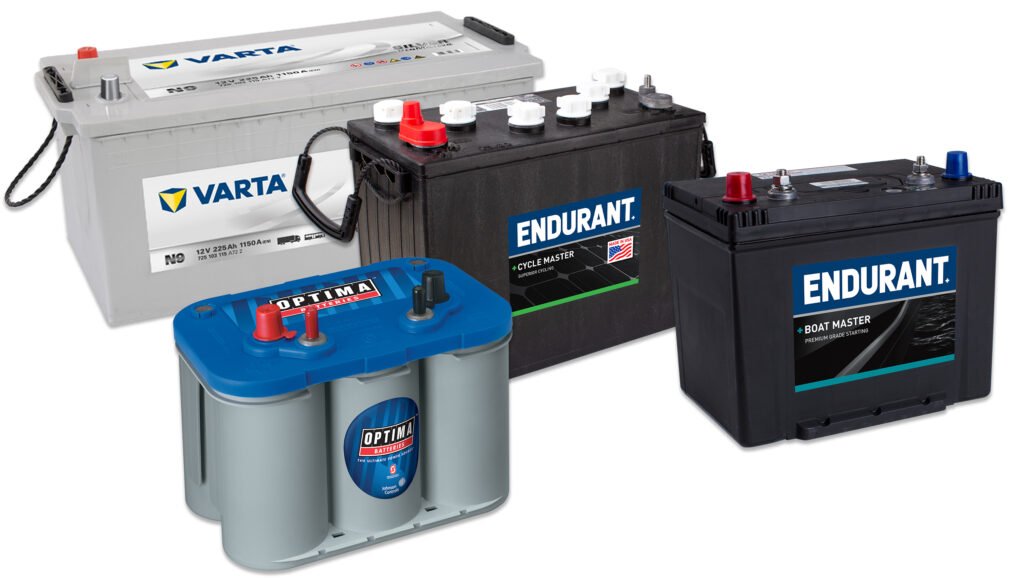
Check battery voltage after charging. Clean any corrosion from terminals and ensure connections are tight.
If your battery is several years old and struggles to hold charge, replace it before the season begins, not after it leaves you stranded at anchor.
If you carry multiple batteries, test the isolation switch and confirm both batteries are charging correctly.
Fuel System Inspection
Few onboard problems are more dangerous than fuel leaks.
Inspect:
- Fuel hoses
- Primer bulbs
- Hose clamps
- Fuel tank fittings
- Portable tanks
- Fuel vents
Look for cracking, stiffness or signs of deterioration.
Give hoses a gentle squeeze. If they feel brittle or excessively soft, it’s time for replacement.
Also ensure portable fuel tanks are securely restrained.
Steering and Controls
Operate the steering lock-to-lock.
It should move smoothly without stiffness or unusual resistance.
Check:
- Steering cable
- Hydraulic steering fluid
- Throttle movement
- Gear selector
- Kill switch operation
Stiff steering cables often fail without warning and should never be ignored.
Safety Equipment: When Did You Last Check Yours?
Most skippers know where their lifejackets are. Far fewer know whether they’re still in good condition. Spring is the perfect time to unpack every piece of safety equipment and inspect it individually.
Lifejackets
Check every lifejacket for:
- Tears
- Broken buckles
- UV damage
- Waterlogging
- Mould
Inflatable jackets should be inflated manually and left overnight to ensure they hold pressure.
Inspect:
- CO₂ cylinder
- Firing mechanism
- Expiry dates
- Service indicator
Many manufacturers recommend annual servicing. If your family has grown or children have outgrown their jackets, now is the time to upgrade.
Flares
Many flare kits quietly expire while sitting forgotten in storage.
Check expiry dates on:
- Red hand flares
- Orange smoke flares
- Parachute rockets
Expired flares should be disposed of safely through approved collection programmes—not thrown in household rubbish. If you frequently boat offshore, consider whether an electronic distress beacon should supplement or replace traditional flares where appropriate.
EPIRBs and PLBs
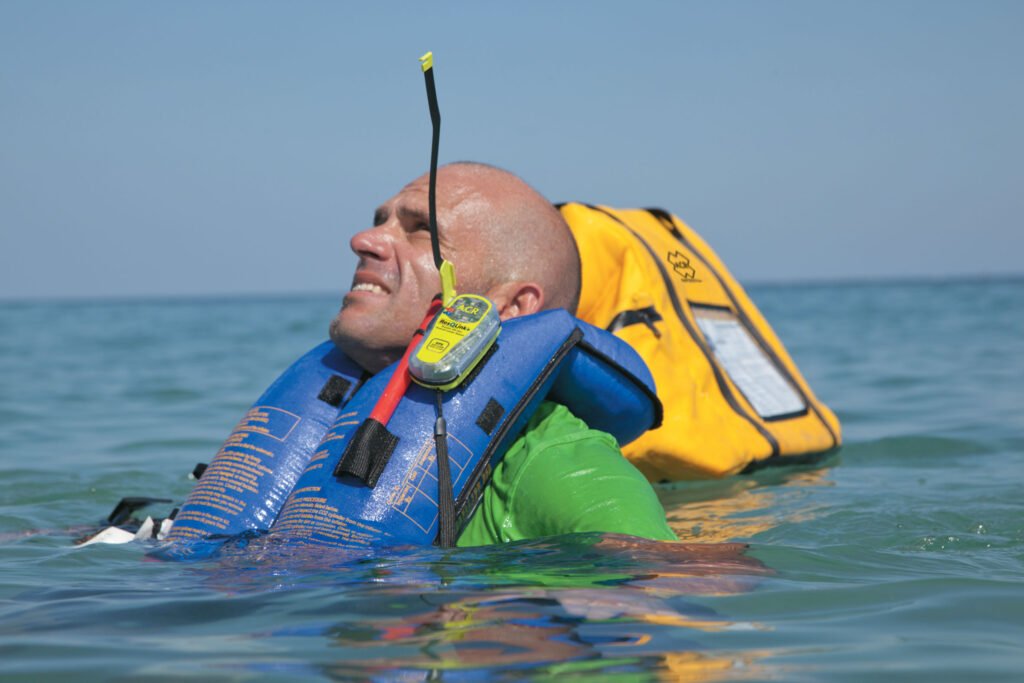
Emergency Position Indicating Radio Beacons (EPIRBs) and Personal Locator Beacons (PLBs) save lives every year.
Check:
- Battery expiry
- Registration details
- Physical condition
- Self-test function
If your contact information has changed, update your beacon registration immediately.
Those emergency contacts are the first people rescue authorities may call.
VHF Radio
A VHF radio remains one of the most valuable pieces of safety equipment aboard.
Perform a radio check before heading offshore.
Confirm:
- Antenna condition
- Power supply
- DSC functionality (if equipped)
- GPS connection
- Correct channel operation
Know how to make a distress call before you ever need one.
Fire Extinguishers
Fire extinguishers have expiry dates too.
Check:
- Pressure gauge
- Corrosion
- Mounting bracket
- Accessibility
Every crew member should know where extinguishers are located.
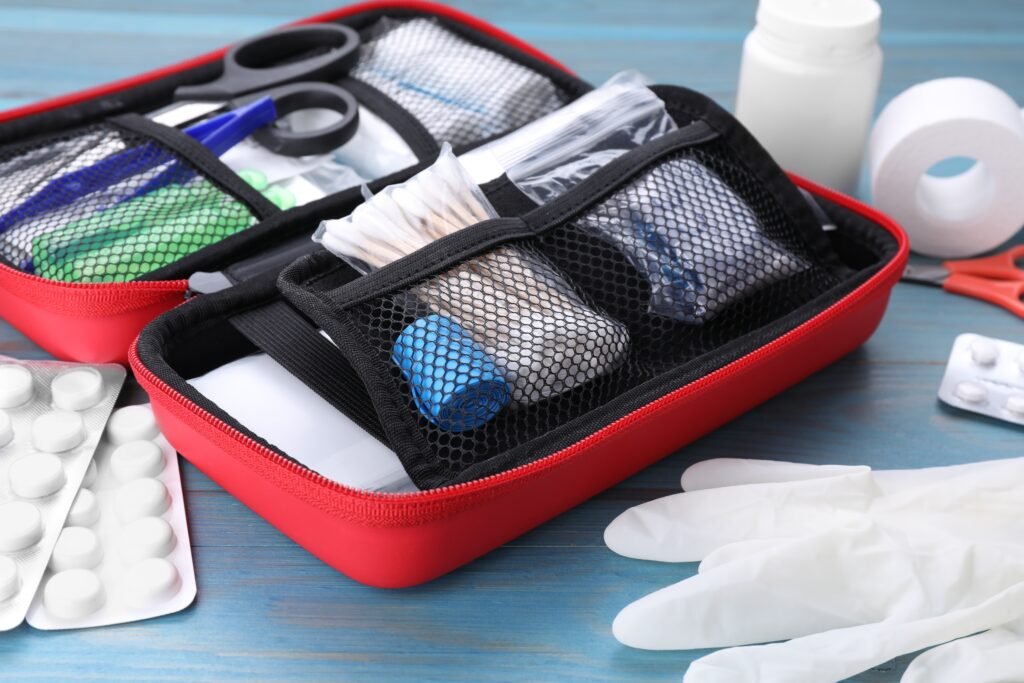
First Aid Kit
Open the kit.
You’ll probably discover half the contents have expired.
Replace:
- Dressings
- Bandages
- Antiseptics
- Seasickness medication
- Sunscreen
- Pain relief
- Emergency blanket
Add items specific to your boating activities.
Fish hooks and filleting knives have a habit of creating unexpected first aid situations.
Bilge Pumps
Test both automatic and manual bilge pumps.
Ensure:
- Float switches operate correctly
- Pump outlets are clear
- Wiring is secure
Carry a manual bailer or bucket regardless of your electric system.
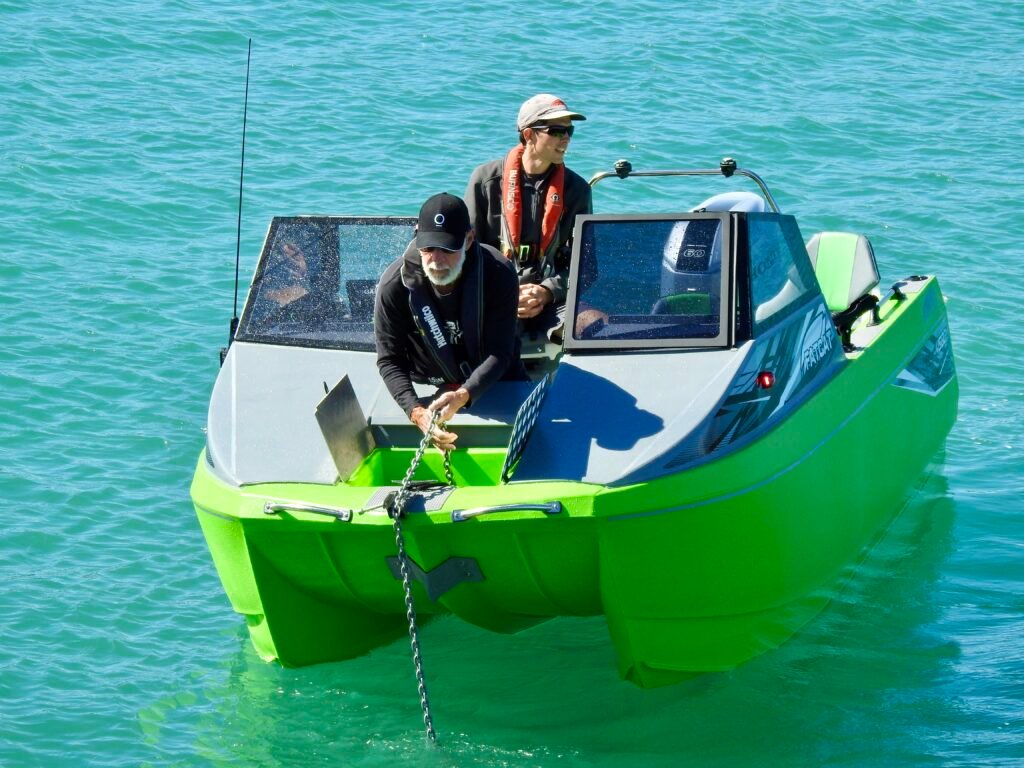
Anchoring Equipment
Your anchor is your emergency brake.
Inspect:
- Anchor rope
- Chain
- Shackles
- Splices
- Winch (if fitted)
Look for corrosion or worn links, especially around shackles.
It’s also worth refreshing your anchoring skills before tackling crowded summer bays.
Navigation Equipment
Update electronic charts if required.
Check:
- GPS operation
- Fish finder
- Compass
- Navigation lights
- Spotlights
- Spare torch batteries
Don’t rely solely on one navigation device. Redundancy is a valuable safety feature.
Don’t Forget the Paperwork
Before the first trip, make sure you have:
- Boat insurance current
- Trailer registration up to date
- Warrant of Fitness (where required)
- Coastguard membership renewed
- Marine radio operator qualification if using VHF
- Local boating bylaws checked for your cruising area
It’s also worth reviewing any changes to local speed limits, reserve boundaries or fishing regulations before heading out.
Practice Makes Safe Boating
Checking equipment is only half the equation.
Can your crew:
- Put on a lifejacket quickly?
- Use the VHF?
- Deploy the anchor?
- Locate emergency gear?
- Start the engine?
- Call for help?
Take a few minutes before each trip to brief everyone aboard.
A calm conversation at the ramp is far easier than shouting instructions during an emergency.
Build Good Habits Before Summer Arrives
One of the simplest ways to improve boating safety is to develop a consistent pre-departure routine.
Many experienced skippers work through the same checklist every time they launch:
Fuel.
Battery.
Drain bung.
Lifejackets.
Weather.
Communications.
Trip report.
Engine check.
It only takes a few minutes, but it dramatically reduces the chance of forgetting something important.

A Safer Season Starts Now
There’s a special excitement that comes with the arrival of spring. The boat cover comes off, the rods are rigged, and thoughts turn to long summer evenings on the water with family and friends.
Spending a few hours preparing your boat now means you’ll spend less time dealing with unexpected problems when the weather is perfect. More importantly, you’ll be giving yourself, your passengers and everyone else on the water the best chance of enjoying a safe and memorable boating season.
After all, the best boating stories are about the fish you caught, the places you discovered and the people you shared them with—not the breakdown that could have been prevented in the driveway.
So before you hitch up the trailer and point the tow vehicle towards the nearest boat ramp, give your boat the attention it deserves. Your future summer self will thank you for it.