



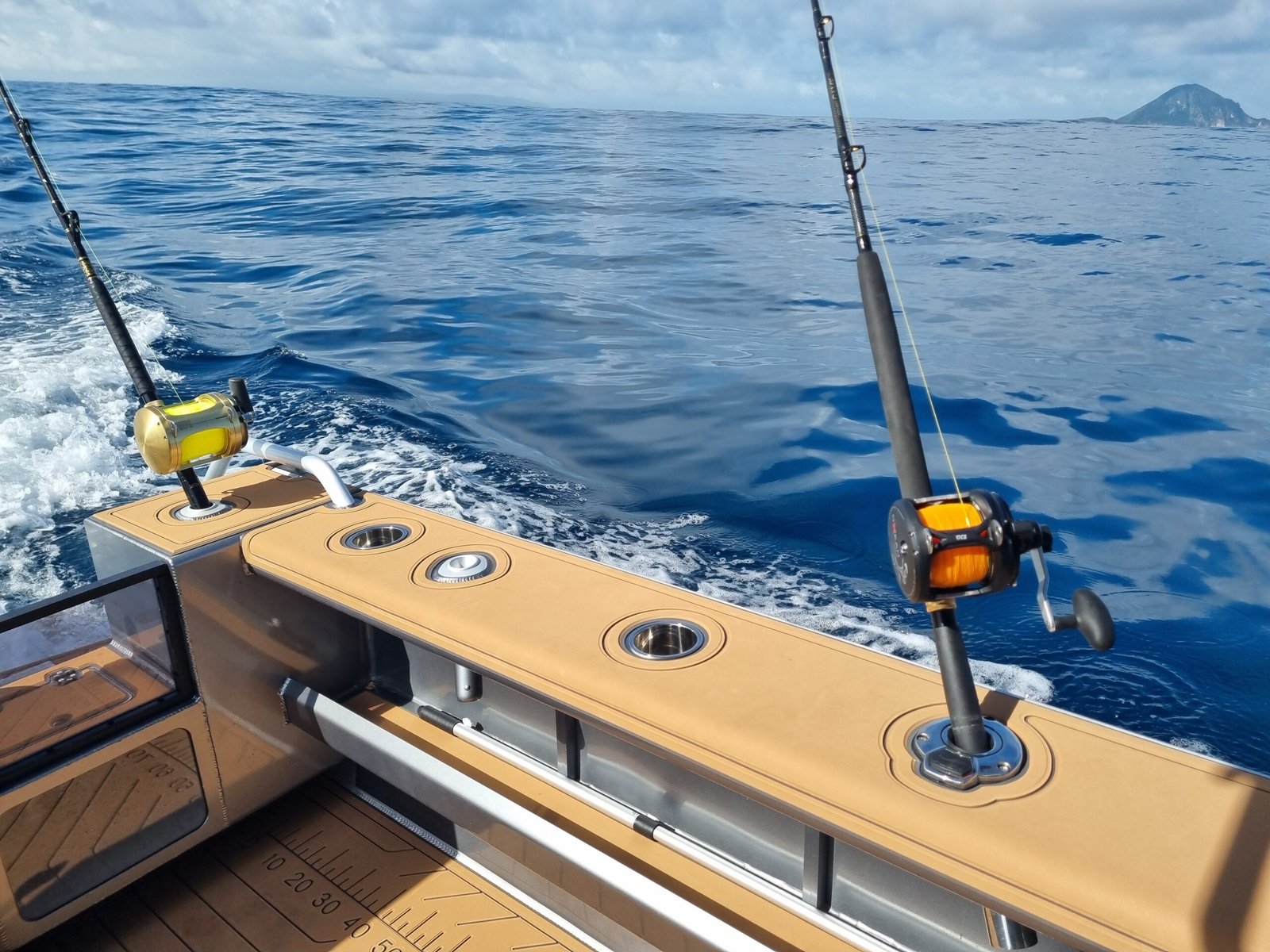
Game fishing from trailer boats is the most popular way Kiwis target marlin and tuna over the summer months and into autumn.
No longer the domain of bigger 30ft+ launches for trolling out wide, trailer boats from as little as 4m tinnies with tiller steers (when mild weather allows) are heading out all around the North Island on both coasts in search of game fish.
Over the last couple of seasons, the tuna numbers have started to improve markedly, and the return of good yellowfin is helping drive the surge in trailer boats getting rigged up for game fishing. The tuna are also turning up much earlier, and in October last year they were being caught by anglers as the warmer water arrived earlier. With so much tuna action around the country in spring, reports were coming from both coasts of good yellowfin catches.
TUNA OFF BOP
The tuna had arrived in force before Christmas off the Coromandel (Whitianga/Tairua) and down into the Bay of Plenty from Tauranga down to Whakatane. With all the action happening off my local BOP waters and a clear weather window, I headed out from Tauranga in early December to troll with lures in the Oceanpro 535 centre console for the first time.
We headed out near the Penguin Shoals and put the gear out to start trolling as we looked for surface action, working birds or dolphins and any solid bait sign, while also watching the water temperature on the sounder.
We had only been trolling for just over an hour when the lumo Zuker was hit hard and line screamed from the reel. After quickly clearing the gear, I picked up the rod to push up the drag to strike and started fighting the fish. It had taken a lot of line, and it was tiring quickly after the big run.
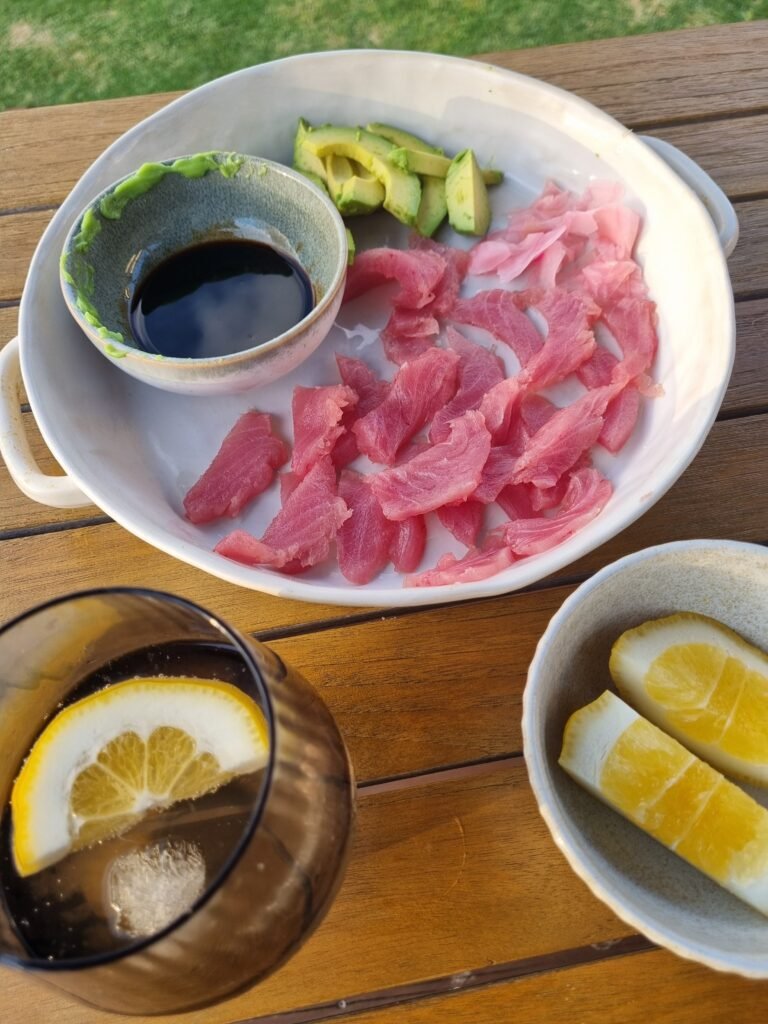
The fish went down deep with the tell-tale signs of a tuna during the fight. After some dogged resistance, the fish was soon up to the boat, and we gaffed a fat, stunning-looking 16-18kg yellowfin! I was very happy to land one in the new boat on the first trip game fishing for the season and in the first couple of hours of trolling. Later that night we enjoyed fresh sashimi which just melted in your mouth, it sure was a fan favourite with all the family over the next several nights.
It was early December, and I noted that the water temperature got as high as 22.5 degrees, which is very warm and usually the kind of temperature you would see in late January or early February. We almost ran over a huge manta ray sunning itself up on the surface, and they usually arrive in late summer. After a record-breaking November, which was the warmest on record for most parts of the country, the warm sea temperatures followed and would explain the early arrival of the tuna.
SKIRTED LURES
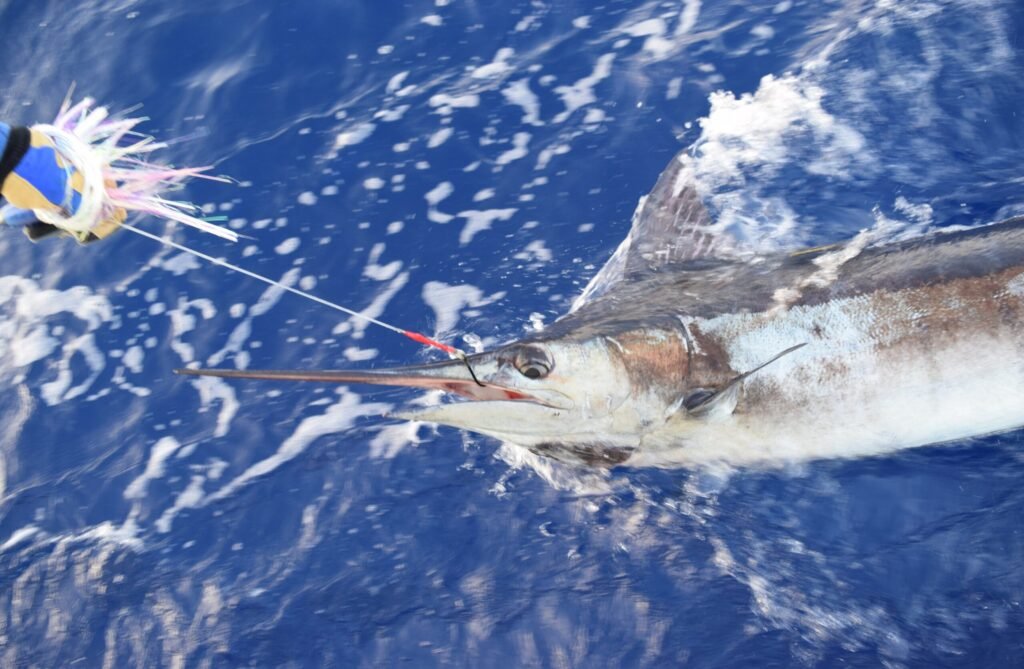
Most of the tuna are caught by trolling, which is still the most common way to catch and target yellowfin. Trolling allows anglers to cover a lot of ground, while searching for schooling pelagic fish. The best way to troll for tuna is with a spread of skirted lures, which can range from 6 to 15 inches long. Generally, you will have up to five lure positions in which you stagger the distances of each lure behind the boat, so they don’t get tangled when you make tight turns and circles.
The common positions are in order of distance away from the boat: short corner, long corner, short rigger, long rigger, and shotgun (out the back).
Many tuna have been caught on smaller skirted lures (10”) and Black Magic have a good range that have successfully accounted for tuna, and you should consider using the Flea XT, Maggot XT, Liquid Lunch XT, and Jetsetter Maxi lures. Rig up with 200lb Tough Trace and a 9/0 or 10/0 game hook, these are ideal skirted lures to target yellowfin tuna with.
Marlin will also happily attack smaller lures, but most game fishing anglers chasing marlin will tow larger lures from 12” – 16” sizes which are also rigged with heavier 300lb – 400lb leader, and either a single or double hooks (sizes 10/0 – 12/0).
Popular brands to consider are Pakula, Bonze, Red Gill, Fathom and Gillies Bluewater with many different heads, skirt colours and either rigged or unrigged options.
HARD BODIED LURES
Used a lot by overseas anglers in the US and Australia, hard bodied lures such as Rapala X-Rap or Magnum which have better deep diving features and account for a lot of tuna and other game fish. In fact, I checked online and according to the IGFA (International Game Fishing Association), their records confirm the Rapala Magnum is the world’s number one saltwater hard bodied lure for fish captures.
Kiwi anglers are now starting to take up the use of these lures when trolling and using them in their skirted lure spread. The main benefit of these types of lures is their ability to reach diving depths of between 15-30 feet, and they can also be trolled up to 12-13 knots. Tuna being fast swimmers, can hit lures trolled at faster speeds.
Hard body lures are typically supplied as rigged with either treble hooks or singles, but without leader so you will need to rig these with 200-300lb leader and crimp yourself. I prefer to flatten the barbs on the trebles as these are dangerous when dealing with thrashing fish that are landed.
DROP-IN OUTRIGGERS
With the rise in popularity of using smaller boats (4-5m) for going game fishing by Kiwi anglers, using drop-in outriggers is best when trolling to spread your lure pattern and keep lures in clear water (out of the white water from outboard).
Oceanblue Outriggers have multiple options available, and their drop-in outriggers come supplied as stainless bent butt to fit the rod holders or a rocket launcher with telescopic poles. With 16ft poles in either Tournament series carbon, carbon super stiff or E-glass extra stiff options to suit budgets.
These are all available with Aftco roller troller, double-rigging black clips, double-rigging Aftco roller troller or single/double Hal-lock options to suit.
When trolling, the key things to look for yellowfin and marlin is following ocean currents and locating temperature breaks and upwellings. Before heading out on the water do some homework by finding out from other anglers who have scored any recent fish or check out the local game fish clubs on social media. Getting a membership for ocean currents/temperatures can make a substantial difference to find productive water before leaving the ramp.
Trolling for hours can be unproductive and often boring from a lack of action but once you hook that big fish, the time, and effort is all worth it.

