Yamaha Marine New Zealand is celebrating a significant milestone in its ongoing support of world-renowned shark scientist Dr Riley Elliott, with one of the largest Great White Sharks ever tagged through his research programme now carrying the name ‘Yamaha’.
The 4.5-metre mature female Great White was successfully tagged near Stewart Island in May as part of Dr Elliott’s long-running satellite tracking programme. Named ‘Yamaha’ in recognition of Yamaha Marine New Zealand’s sponsorship of the satellite tag, she will provide invaluable data on the movements and behaviour of one of New Zealand’s most iconic and misunderstood marine species.
The milestone represents another chapter in Yamaha Marine New Zealand’s commitment to marine conservation through its Yamaha Rightwaters initiative — a programme dedicated to supporting the long-term sustainability and protection of New Zealand’s waterways and oceans.
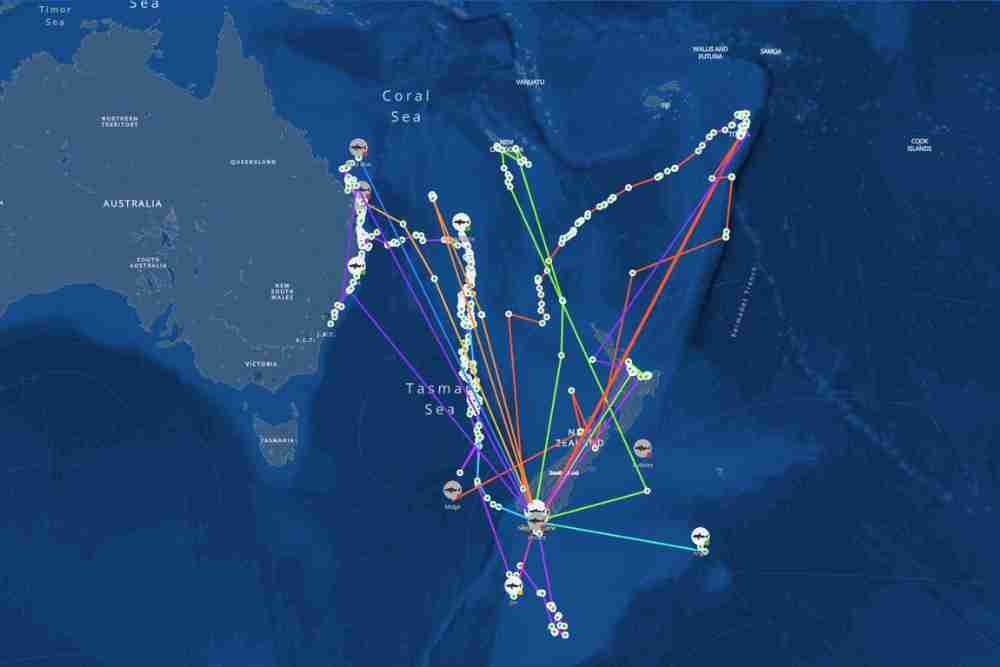
Locations of the Great White Sharks Dr Riley Elliott has tagged.
Originally developed by Yamaha in the United States and now established in New Zealand, Yamaha Rightwaters supports projects that contribute to marine conservation through scientific research, habitat protection, education and community engagement.
“Our goal is to support environmental programmes that make a genuine, long-term contribution to protecting the waterways and oceans that New Zealanders love to enjoy,” says Pete Dick, Group Marketing Manager for Yamaha New Zealand. “Supporting Dr Riley Elliott’s Great White Shark research has been an incredibly rewarding partnership. Every piece of data collected helps improve our understanding of these remarkable animals and the important role they play in maintaining healthy marine ecosystems.”
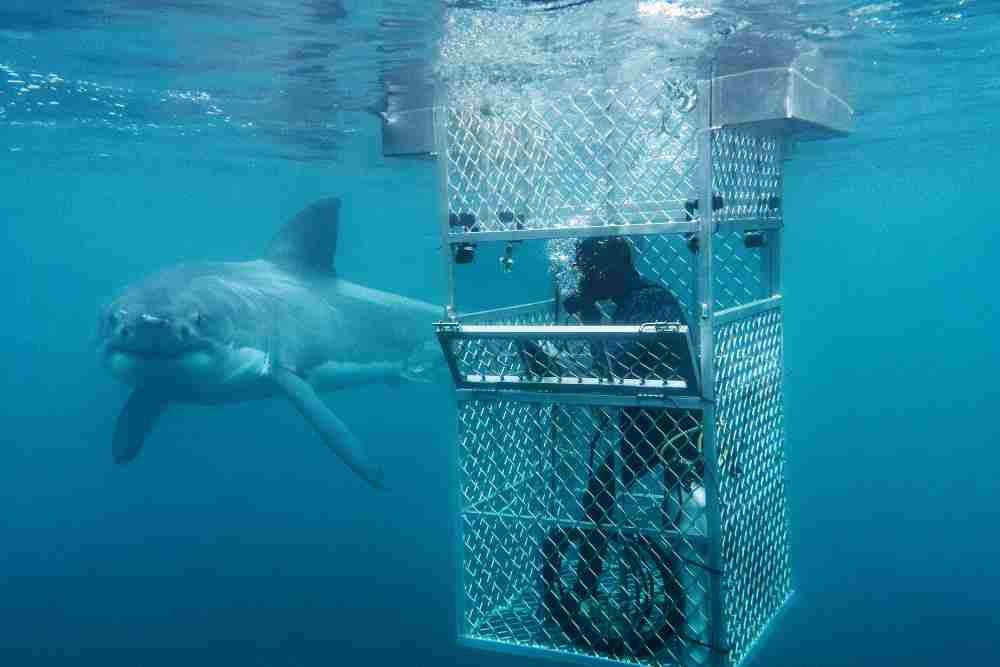
Undertaking parts of his research aboard an Extreme 745 Game King boat powered by a Yamaha 250HP V6 outboard engine, Dr Elliott has now successfully tagged numerous Great White Sharks as part of his research programme, with each satellite tag made possible through public sponsorship. The data collected is helping build a clearer understanding of Great White migration patterns, habitat use and population health throughout the South Pacific. When in the South Island, he utilises a large commercial boat with a purpose-built shark cage – in total he has tagged 32 Great White sharks.
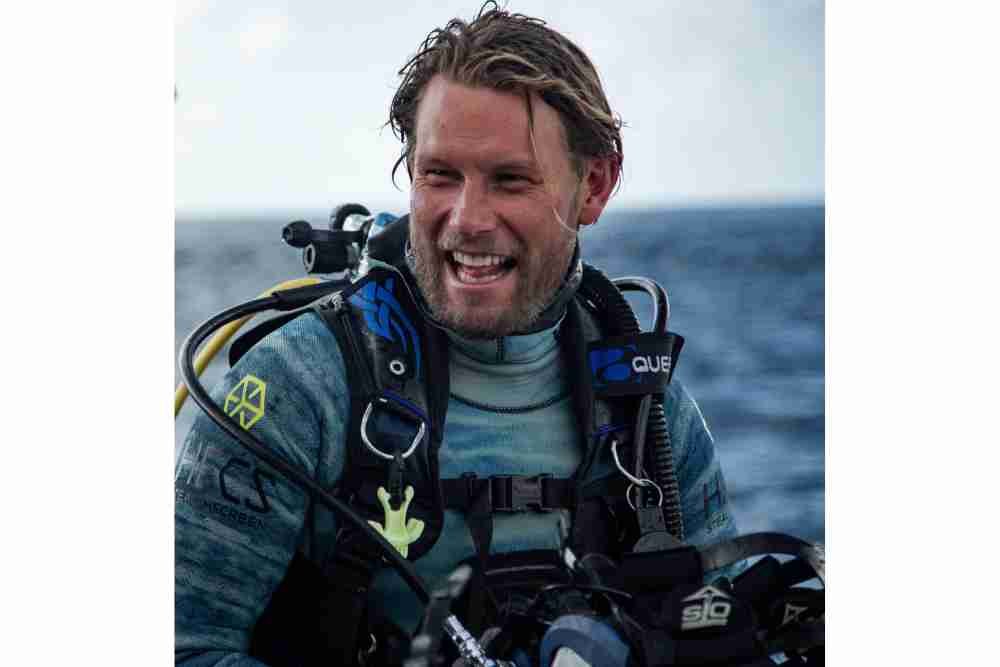
Dr Riley Elliott
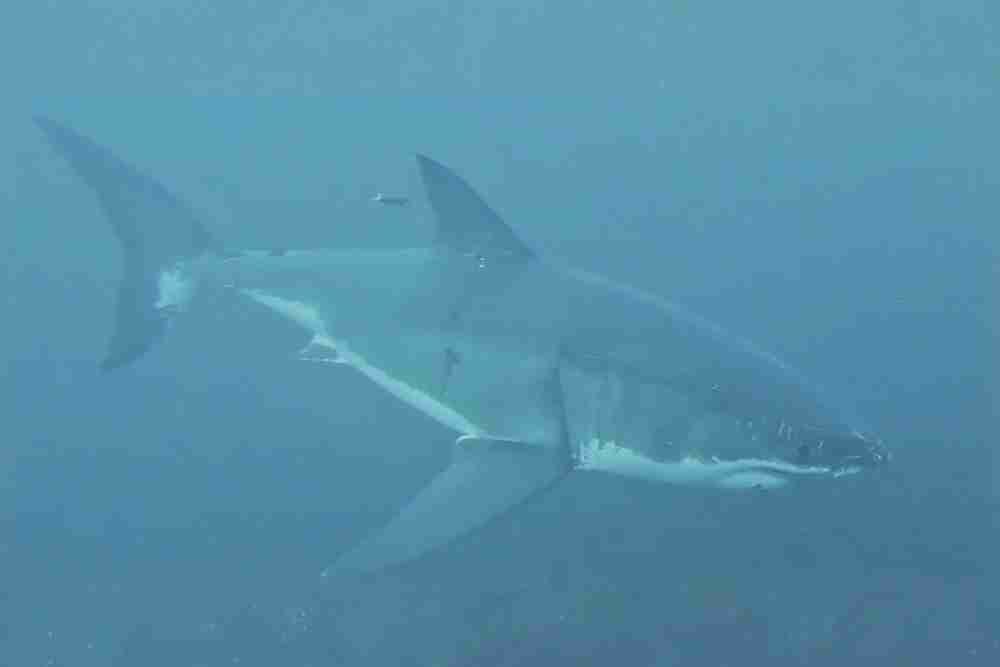
The newly tagged shark, ‘Yamaha’, is one of the largest mature females encountered during more than a decade of research around Stewart Island.
“In all the years we’ve been working in these waters, seeing a mature female of this size is incredibly rare,” says Dr Riley Elliott. “The footage doesn’t do her justice. She was enormous. To be able to safely tag a shark like ‘Yamaha’ and gather information that will contribute to her species’ conservation is a privilege.”
Research from the programme has revealed that Great White Sharks undertake extraordinary migrations, with individuals travelling to Australia, New Caledonia and Tonga before returning to New Zealand’s nutrient-rich southern waters.
As Great White populations continue to decline in many parts of the world, New Zealand remains home to one of the few stable populations, making research conducted here increasingly important on a global scale.
Dr Riley Elliott in his shark cage.
“Great White Sharks are one of the ocean’s most misunderstood animals,” says Dr Elliott. “They’re an apex predator that helps maintain balance throughout the marine ecosystem. The more we understand where they go and how they behave, the better equipped we are to protect them.”
As ‘Yamaha’ continues her journey across the Pacific, every satellite transmission will contribute to a growing body of knowledge that is helping shape the future conservation of one of the ocean’s most iconic predators. The public can follow ‘Yamaha’ by downloading ‘THE GREAT WHITE’ app or via the www.sustainableoceansociety.co.nz website. Anyone out there wishing to sponsor a future tag can do so by contacting Riley through the same website.